Song Meaning
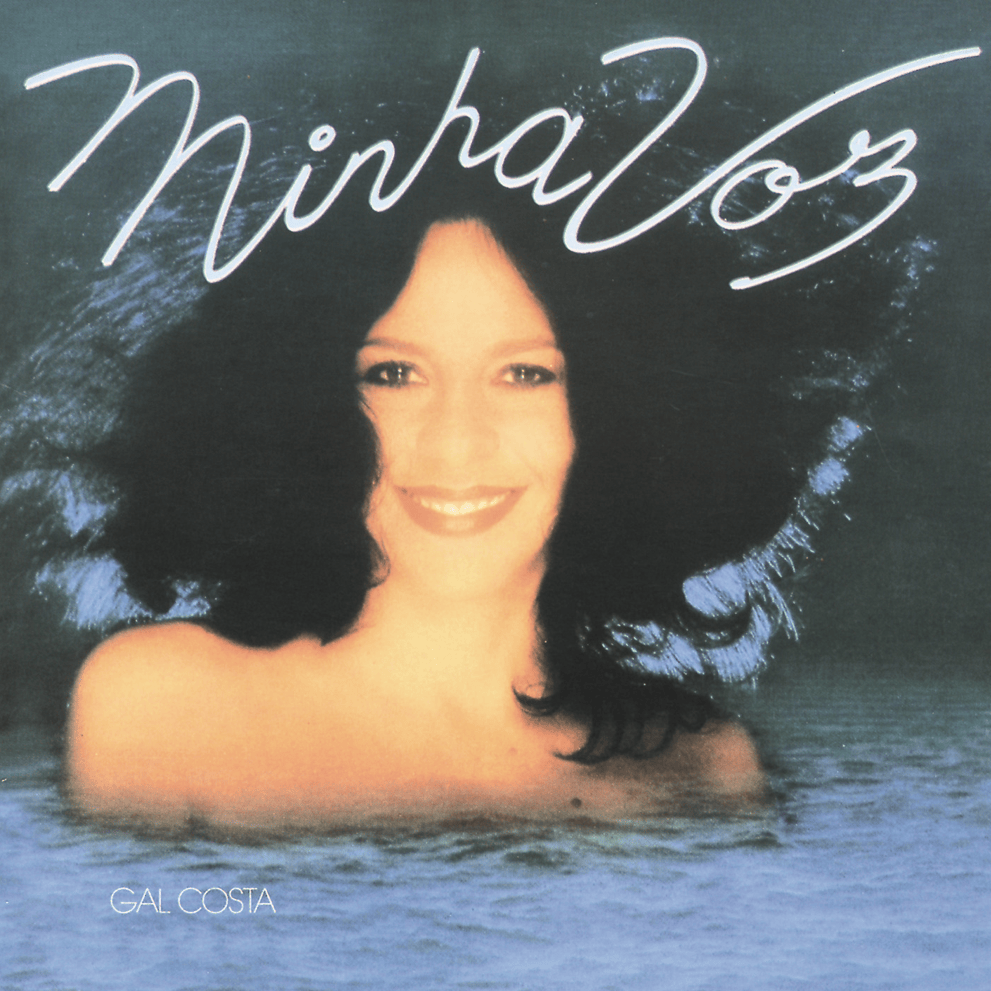
Gal Costa's "Musa Cabocla" isn't just a song; it's a primal scream from the heart of Brazilian identity, a lyrical embodiment of nature's raw power and feminine mystique. The title itself, translating roughly to "Native Muse," sets the stage for a profound exploration of cultural roots and untamed sensuality. Forget delicate metaphors; Costa throws us headfirst into a vibrant ecosystem where the Uirapuru bird sings secrets in the jungle's depths, and even parrots are silenced by the sheer force of nature's presence. This isn't a polite invitation; it's an immersion. The song is a celebration of the power of the feminine as the source of creativity and life.
Costa paints herself as a shape-shifting entity, declaring "Sou pau de resposta, jibóia, sou eu, canela / Sereia eu sou uma tela, sou eu, sou ela" ("I am the answer stick, boa constrictor, I am cinnamon / Siren I am a canvas, I am, I am her"). These aren't just poetic images; they're declarations of multifaceted identity. She is both the grounded strength of wood and the seductive danger of a serpent. She is the alluring siren and the blank canvas ready to be filled with emotion and experience. This fluidity, this refusal to be confined, is central to the song's power. The lyrics suggest a woman who is both powerful and vulnerable, capable of both creation and destruction.
The heat imagery intensifies the feeling of a passionate, almost dangerous creative force. A heart popping on a hot plate, being vanilla, and burning wood are all evoked. The "Mother matrix of fiery sung word / Generating source of wild popular song" lines reveal the song's core: a tribute to the untamed spirit of Brazilian music itself. "Musa Cabocla" isn't just a performance; it's a ritual, a conjuring of the elemental forces that shape both the natural world and the artistic soul. Gal Costa doesn't just sing the song; she embodies it, becoming the very muse she invokes.
 View Artist