Song Meaning
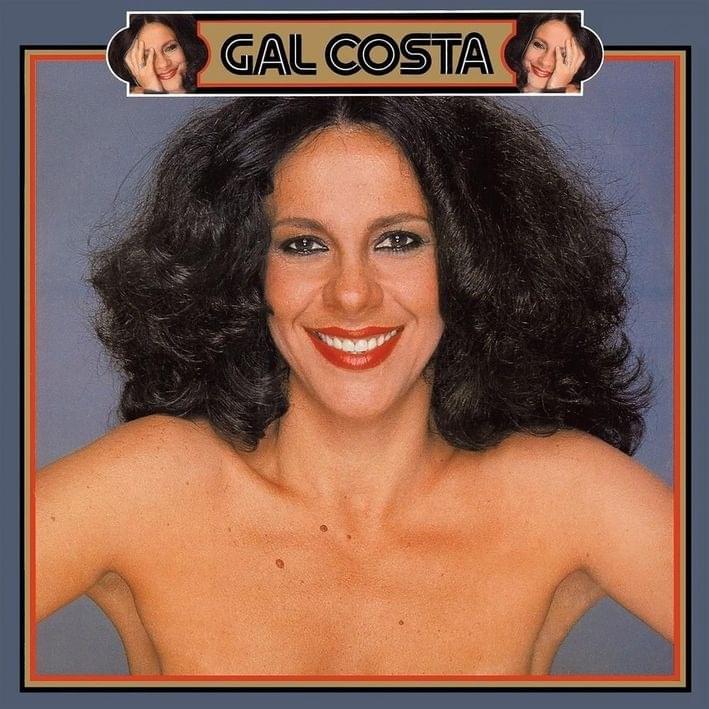
Gal Costa's "Massa Real" pulses with an urgent, almost defiant hedonism. The lyrics, spare as they are, paint a picture of a sovereign present, a 'now' fiercely guarded against intrusion by negativity or doubt. It's a demand for joy, not a polite request. The repetition of 'Hoje eu só quero' ('Today I only want') acts as a mantra, a self-affirmation against a world that constantly threatens to encroach upon personal happiness. It’s the sound of someone drawing a line in the sand, claiming autonomy over their emotional landscape, even if just for a day. The 'massa real'—the 'real mass'—becomes a metaphor for authentic experience, a rejection of the superficial or the sorrowful. It's the heart of the matter, the core of lived feeling.
The song's insistence isn't naive; rather, it seems born from a deep understanding of suffering. The lines 'Hoje eu não quero sofrer/Não quero ver ninguém chorar' ('Today I don't want to suffer/Don't want to see anyone cry') hint at a past, or at least an awareness, of pain. This isn't the blissful ignorance of youth, but a conscious choice to prioritize pleasure, to actively cultivate joy as a form of resistance. The almost desperate repetition of 'Vai ter que dar, vai ter que dar' ('It has to happen, it has to happen') suggests a struggle against internal or external forces that threaten this hard-won happiness. It's a powerful assertion of will.
The connection to 'carnaval' elevates the song beyond simple escapism. Carnival, in the Brazilian context, is a moment of collective catharsis, a temporary suspension of societal norms, and a space for radical self-expression. Costa's "Massa Real" taps into this spirit, suggesting that the pursuit of authentic joy is not just a personal indulgence, but a revolutionary act. It's about finding the 'real mass' of human connection and unadulterated feeling within a world that often tries to suppress it. The song becomes an anthem for seizing the moment, for demanding happiness in the face of adversity, and for recognizing the power of collective joy as a force for change.
 View Artist