Song Meaning
Gal Costa's "Já Era Tempo" isn't just a plea for reconciliation; it's a masterclass in emotional negotiation, a delicate dance between pride and vulnerability. The song meaning revolves around the overdue return of a lover, but the real tension lies in the speaker's carefully constructed facade. The opening lines, "Já era tempo de você voltar / Me beijar, esquecer," establish a sense of impatience, a weariness with the separation. But beneath the surface simmers a deeper, more complex emotional landscape. It's not simply about wanting them back; it's about controlling the narrative of their return. The lyrics subtly suggest that the speaker understands the other person's flaws, recognizing that words "muitas vezes / Não provém do coração." This awareness creates space for forgiveness, but also for a carefully orchestrated performance.
The core of the song's emotional complexity rests in the pre-planned reaction to the lover's arrival. "Primeiro eu vou fingir espanto / Depois sorrir, banhada em pranto." This isn't a spontaneous outpouring of joy; it's a calculated sequence of emotions designed to manage the situation, to perhaps regain a sense of control after months of absence and heartbreak. There's a theatrical quality to it, a recognition that relationships often involve playing roles, especially during moments of intense vulnerability. The speaker acknowledges the potential for resentment ("olhos rasos d'água / Mas sem mágoa"), but chooses forgiveness, understanding that holding onto anger is ultimately self-destructive.
"Já Era Tempo" avoids simple sentimentality by acknowledging the inherent contradictions within love and loss. The song lyrics explore the pitfalls of pride and the importance of forgiveness. Costa's masterful interpretation underscores the universal struggle to reconcile our emotional needs with our desire for control. The heart, as the song suggests, ultimately knows best, even if its wisdom requires us to swallow our pride and embrace the messy, unpredictable nature of human connection. It's a powerful reminder that sometimes, the most authentic emotions are those that are carefully, almost performatively, expressed.
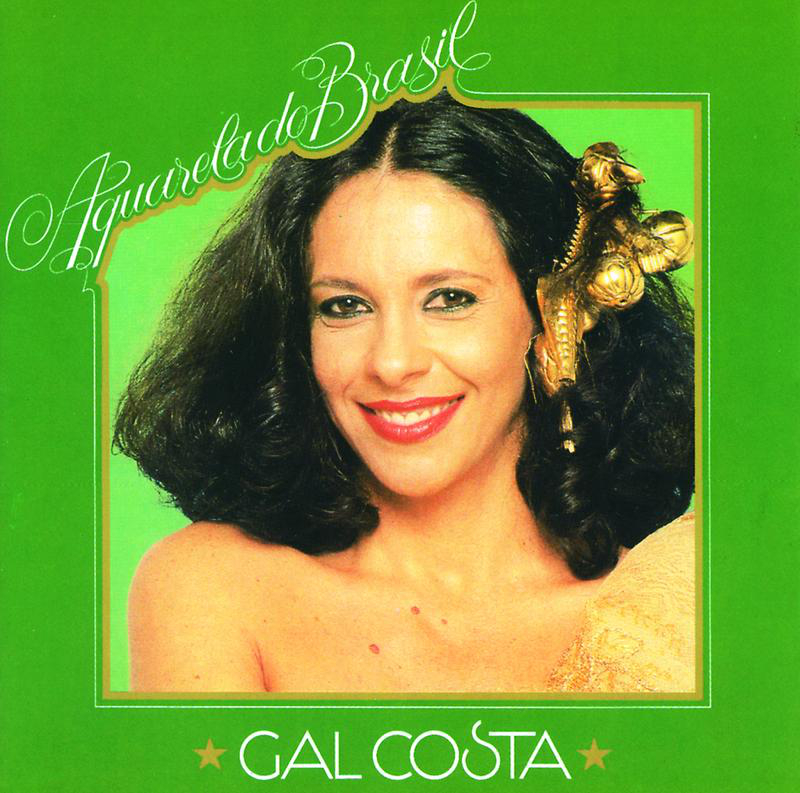
 View Artist