Song Meaning
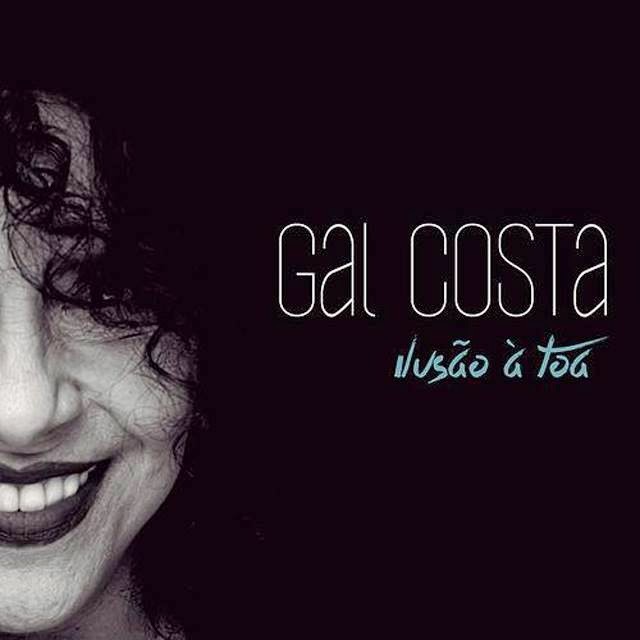
Gal Costa's "Ilusão à Toa" (Idle Illusion) isn't just a song; it's a masterclass in unrequited longing, a bittersweet serenade to a love that exists solely in the singer's imagination. The opening lines immediately plunge us into the depths of this yearning, where even a single day apart from the beloved's gaze triggers an intense wave of saudade, that uniquely Brazilian blend of nostalgia and melancholy. This absence casts a pall over the entire world, rendering it "so sad," highlighting the all-consuming nature of this secret affection.
The brilliance of "Ilusão à Toa" lies in its acceptance of this one-sided dynamic. Instead of wallowing in despair, the lyrics express a strange delight in the "discreet love" that's directed at only one person. The singer finds amusement in her own thoughts, the way they carefully orchestrate and nurture this private infatuation. There's a power in this ownership, a quiet rebellion against the conventional expectation of reciprocation. The phrase "nem de leve sabes que eu te quero" (you don't even slightly know that I want you) is key – the very secrecy is part of the appeal.
Ultimately, the song explores the complex psychology of desire. Is it better to have loved and lost, or to never have loved at all? "Ilusão à Toa" suggests a third option: to love in the realm of pure fantasy, where the object of affection remains untainted by the messiness of reality. The "idle illusion" becomes a source of comfort and even joy, a testament to the human capacity to create and cherish emotional worlds of our own making. Gal Costa's delivery imbues the song with both vulnerability and strength, capturing the delicate balance between heartache and the quiet satisfaction of a love lived entirely on one's own terms.