Song Meaning
Gal Costa's "Hoje" isn't a raw, explosive heartbreak anthem; it's the sound of carefully dismantling a shared past, brick by emotional brick. The lyrics, delivered with Costa’s signature understated power, detail a process of deliberate forgetting, not as an act of bitterness, but as a conscious strategy for survival—"Eu posso esquecer/ Para ser mais feliz" (I can forget/ To be happier). The song meaning hinges on this tension: the simultaneous acknowledgement of profound connection and the resolute decision to move beyond it. It’s a mature, almost clinical approach to the messy business of lost love.
The core of "Hoje" resides in the acceptance of what *was*, without allowing it to dictate what *will be*. Costa isn't trying to erase history; she's re-contextualizing it. The line "Mas não vou mudar nada/ De tudo que eu fiz" (But I won't change anything/ Of everything I did) is crucial. There's no regret, no rewriting of the narrative. Instead, she's actively working to decouple her sense of self from the relationship—"É só não pensar em nós/ Como a melhor parte de mim" (It's just not thinking of us/ As the best part of me). This is a subtle, yet powerful shift in perspective, rejecting the idea that one's identity is inherently intertwined with another person.
Ultimately, "Hoje" is about the slow, painstaking work of self-reclamation. The final lines, "De tanto ficar só/ Vivo bem sem você" (From being so alone/ I live well without you), aren't a boast or a defiant declaration. They're a quiet affirmation of resilience, a testament to the human capacity for adaptation and growth. The song's emotional weight comes not from histrionics, but from the quiet strength of someone choosing to actively rebuild their life, piece by piece, after love's departure. It is a study in the psychology of moving on, choosing oneself after being one with another.
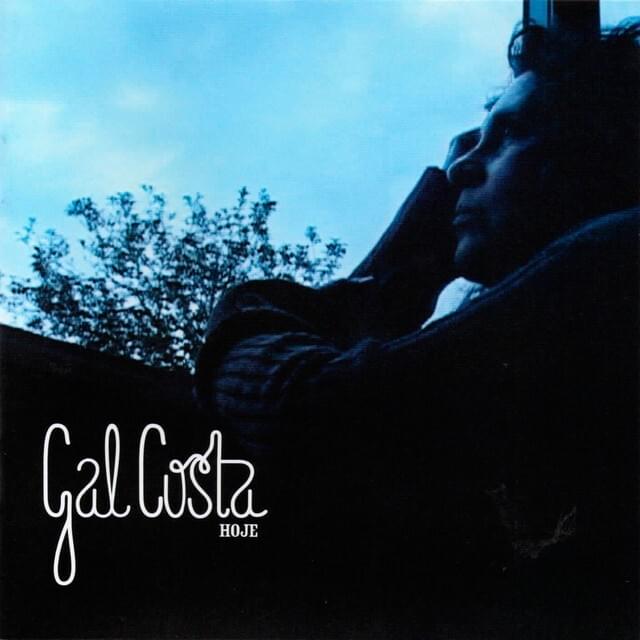
 View Artist