Song Meaning
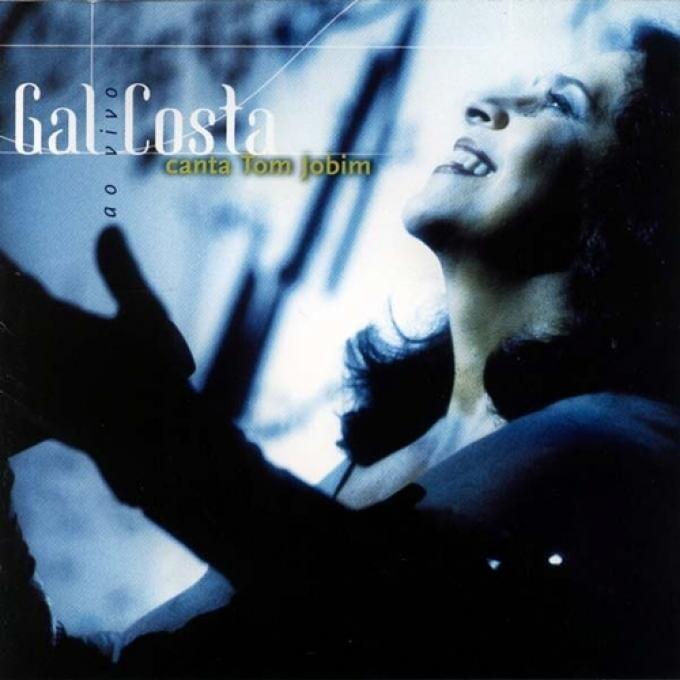
Gal Costa's "Falando de Amor" isn't just a love song; it's a whispered confession hidden within the folds of a *choro canção*, a crying song. The lyrics are elegantly simple, almost childlike in their directness, yet they carry the weight of longing and vulnerability. The singer yearns to give love and joy, promising to offer it completely, without reservation, if only given the chance. This conditional offering hints at a deep-seated insecurity, a fear of rejection that keeps the declaration tentative. The phrase "Se eu pudesse...te daria" (If I could...I would give you) becomes a poignant refrain, echoing the hesitant nature of the speaker's affection.
The imagery of scent and floral essence—"Do teu cheiro, teu jeito de flor" (Your scent, your flower-like way)—evokes a powerful, almost primal attraction. It moves beyond the purely visual and delves into the realm of sensory experience, suggesting a deep, instinctual connection. Yet, this adoration is tinged with melancholy. The speaker describes themselves as "perdido de amor" (lost in love), suggesting a state of disorientation and vulnerability. The plea for "um beijinho" (a little kiss) is almost desperate, highlighting the imbalance of power within this unrequited affection.
The recurring motif of crying—"Chora flauta, chora pinho, Choro eu, o teu cantor" (Cries the flute, cries the pine, I cry, your singer)— elevates the personal longing into a universal expression of heartbreak. The *choro* tradition itself is rooted in lament and saudade, a uniquely Portuguese and Brazilian form of nostalgic yearning. By embedding his personal feelings within this musical framework, the singer amplifies the emotional resonance of the song. Even the seemingly lighthearted mention of forgetting "até do futebol" (even football) underscores the depth of the infatuation; a sacrifice of national passion for the sake of love's captivating power. Ultimately, "Falando de Amor" speaks to the universal experience of unrequited love, capturing its fragile beauty and its inherent pain.
 View Artist