Song Meaning
Gal Costa's "Faceira" unfolds as a miniature drama of social mobility and personal transformation, set against the vibrant backdrop of a samba gathering. The opening lines immediately immerse us in this world, populated by "gente bamba" – people who are skilled and confident, perhaps even a little cunning. It's here, amidst the music and movement, that the singer encounters the titular "Faceira," a flirtatious and intriguing character. The lyrics hint at a certain trickster quality in Faceira, described as "fazendo visagem, passando rasteira" – making appearances, tripping people up. This suggests someone who knows how to navigate social situations, perhaps even manipulating them to their advantage. The repetition of "Que bom, que bom, que bom" adds a layer of playful acceptance, an acknowledgment of Faceira's charm despite her potentially mischievous nature. It's a celebration of the energy she brings.
The song's narrative takes a poignant turn as it reveals Faceira's journey from the "morro" (favela, or hillside community) to the city. This relocation signifies a significant shift in her life, a pursuit of new opportunities and experiences. However, this move comes at a cost, as she leaves behind friends and loved ones who are now "quase loucos de saudade" – nearly mad with longing. The lyrics capture the bittersweet nature of ambition, the inherent sacrifices involved in seeking a different life. The singer expresses hope that Faceira will eventually return to her roots, suggesting a belief in the importance of staying connected to one's origins.
"Faceira" is not just a portrait of an individual; it's a commentary on the complexities of social change and the human cost of upward mobility. Gal Costa’s delivery infuses the song with a sense of saudade, a uniquely Brazilian form of longing and nostalgia. The song’s meaning resonates beyond its immediate narrative, prompting reflection on the tension between personal ambition and communal ties, and the enduring pull of one's origins. The simple structure and repeating verses emphasize the cyclical nature of life and memories, and the enduring power of samba as a space where these stories are both lived and remembered.
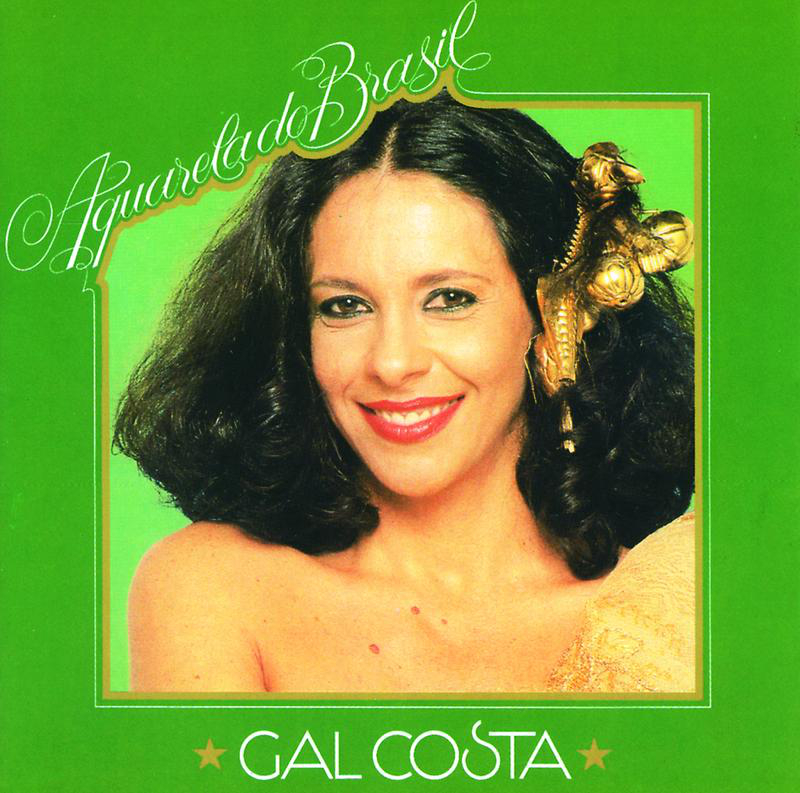
 View Artist