Song Meaning
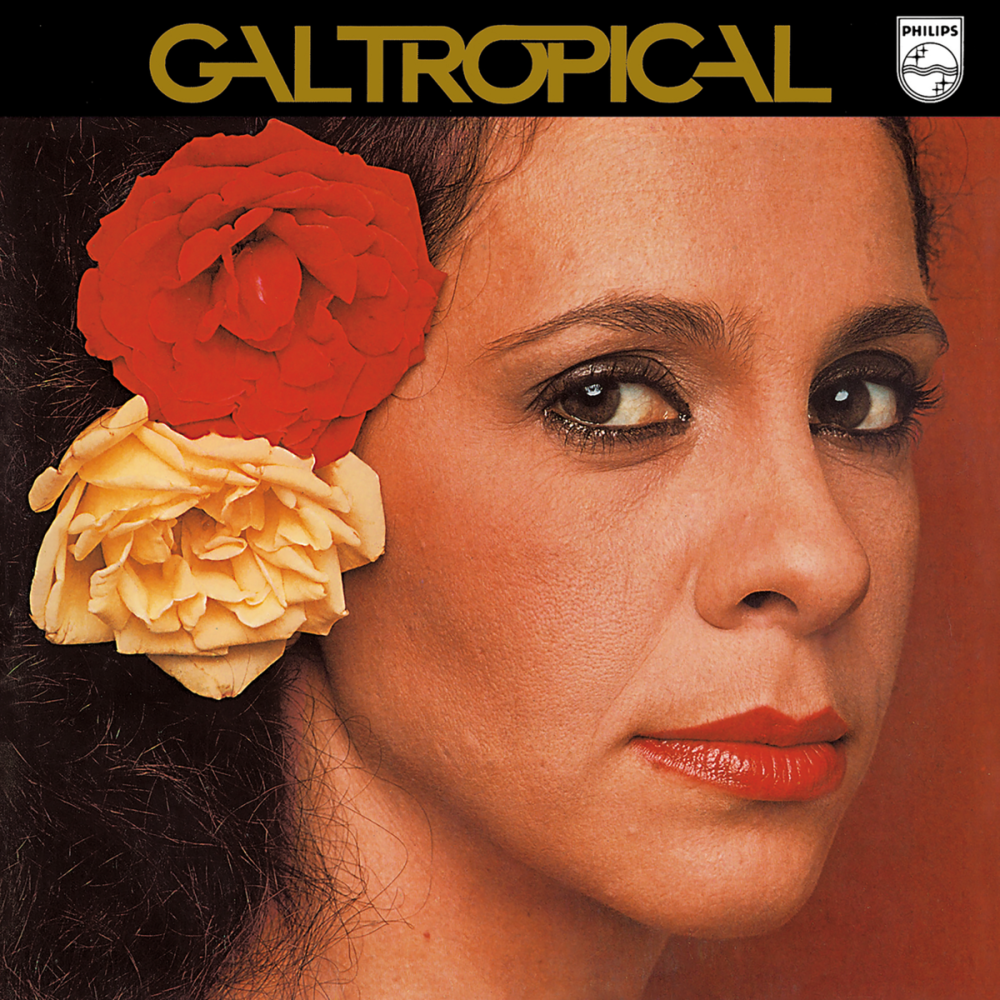
Gal Costa's "Estrada do Sol" shimmers with the quiet optimism of a new dawn, a psychological portrait painted in the delicate hues of Brazilian sunshine. The song isn't about ignoring past pain, but rather choosing to move forward, hand-in-hand, into a brighter future. The initial verses establish a scene of transition: the sun arrives, but the remnants of yesterday's rain still sparkle, dancing in the breeze. These lingering raindrops aren't presented as burdens, but as reminders of resilience, reflecting light even after the storm has passed. This imagery sets the stage for the central theme: the conscious decision to embrace hope.
The repetition of the verses emphasizes the cyclical nature of life and the daily opportunity for renewal. Musically, this likely translates into a gentle, lilting melody that mirrors the "alegre" (joyful) wind carrying the song. The core of "Estrada do Sol" lies in its chorus, a direct invitation: "Quero que você me dê a mão / Vamos sair por aí." It's a call to action, a plea for connection and shared experience. Crucially, the singer acknowledges past sorrows—"que sonhei, que chorei, que sofri"—but insists that the present moment, this shared "manhã" (morning), holds the power to eclipse those memories. This isn't naive denial; it's a deliberate act of emotional self-preservation.
The "Estrada do Sol" (Road of the Sun) itself becomes a metaphor for the journey towards healing and happiness. The act of taking someone's hand is equally significant, representing trust, vulnerability, and the understanding that we don't have to navigate life's challenges alone. The repetition of "o sol, o sol" at the song's close serves as a mantra, a sonic embodiment of the hope that underpins the entire composition. Gal Costa, through her delivery, probably imbues these lines with a sense of longing and determination. The song, at its heart, is a simple yet profound reminder that even after the darkest nights, the sun will rise again, offering a new "Estrada" to travel, together.
 View Artist