Song Meaning
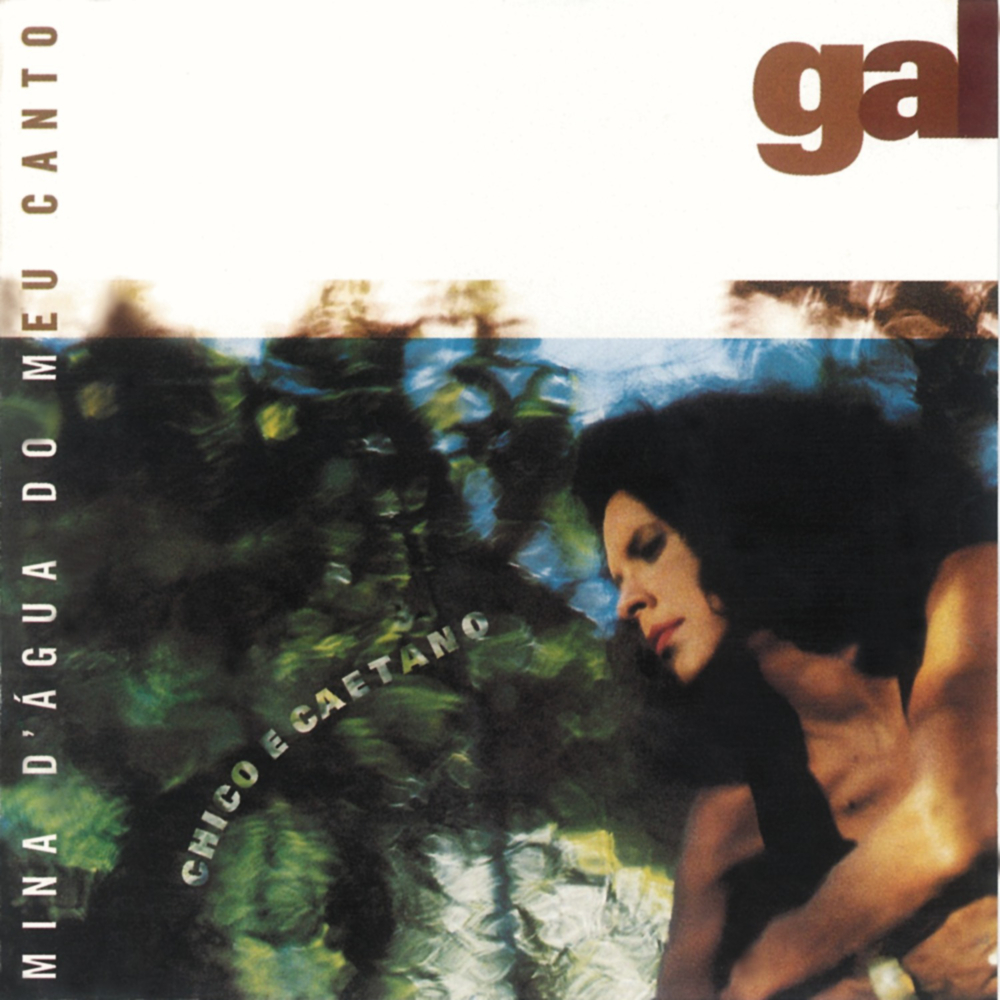
Gal Costa's "Desalento" isn't just a song; it's a raw, exposed nerve of regret and desperate longing. The title itself, meaning "disheartenment," sets the stage for a brutal honesty rarely found in love songs. This isn't a tale of sweet affection, but a desperate plea born from the ashes of a relationship the singer destroyed. The core of the song meaning lies in the repeated command: "Vai e diz" – "Go and tell her." It's a message relayed through an intermediary, a confession of failure, of having reached the absolute limit of despair. The singer catalogs their self-destructive behavior – the crying, the metaphorical death, the wandering aimlessly, the loneliness, the drinking, the falling.
The power of "Desalento" resides in its vulnerability. There's no attempt to excuse or justify past actions. The focus is solely on the present state of utter brokenness. The repeated admissions of regret are punctuated by the desperate plea for forgiveness. The singer acknowledges their madness ("Diz a ela que estou louco / Pra perdoar"), willing to do anything, to accept any terms, if only the lost lover will return. This isn't a position of strength or entitlement; it's a complete surrender.
Ultimately, "Desalento" explores the devastating consequences of one's own actions on love and relationships. The singer is not seeking pity, but rather conveying the depth of their transformation, driven by the pain of loss and the recognition of their own destructive patterns. The final lines, "Que eu entrego os pontos" ("That I surrender"), encapsulate the total defeat and the complete dependence on the possibility of forgiveness. The song's impact is not just the expression of sadness, but the psychological portrait of someone who has faced the abyss of their own mistakes and desperately wants a second chance.
 View Artist