Song Meaning
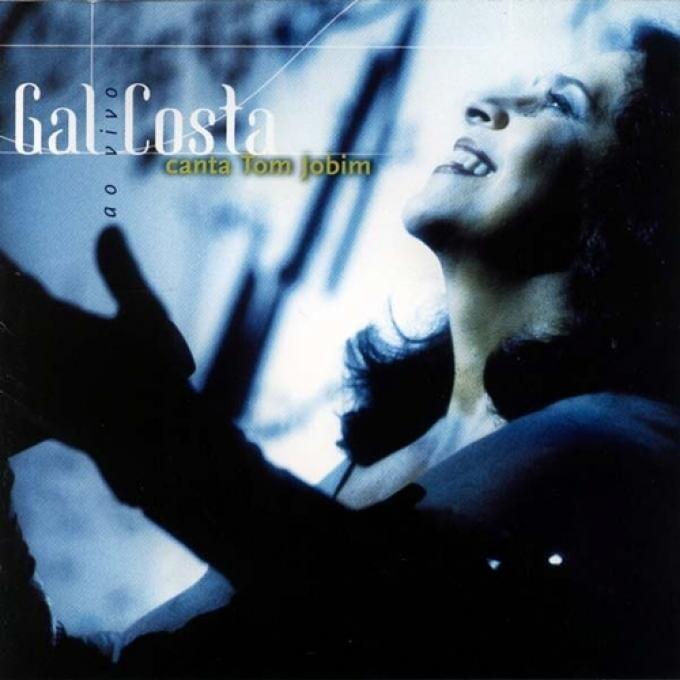
Gal Costa’s "Derradeira Primavera" isn't merely a farewell; it’s a haunting post-mortem on love's expiration. The title, translating to "The Last Spring," immediately sets the stage for a final bloom before the inevitable freeze. It's a stark acknowledgement that what was once vibrant is now decaying, offering only a single, shared song as solace. The opening lines, "Põe a mão na minha mão / Só nos resta uma canção," speak of a depleted emotional landscape, where only music remains as a shared language amidst the ruins of a relationship. Costa doesn't shy away from the pain; instead, she urges, "Vamos, volta, o mais é dor," acknowledging the comfort, however fleeting, in revisiting what's lost, even if it's steeped in sorrow. The lyrics analysis suggests that the 'song' is a metaphor for the memories and experiences they both shared, the last remaining bridge between them. It’s a plea to remember the love that existed, however imperfect, before it fades completely.
The invocation of a "trovador" – a troubadour – adds a layer of historical weight, casting their love story as a timeless, albeit tragic, ballad. This isn't just a breakup; it's the end of a chapter worthy of song, tinged with a sense of theatrical finality. The lines "Fecha os olhos devagar / Vem e chora comigo / O tempo que o amor não nos deu" are particularly poignant. It’s an invitation to grieve together for the future that never materialized, for the time stolen by circumstance or incompatibility. It's the acknowledgment of potential, unrealized and now lost forever. The song meaning goes beyond simple heartbreak; it delves into the shared mourning of a love's unfulfilled promise.
Ultimately, "Derradeira Primavera" finds its power in the quiet acceptance of love's impermanence. It’s not a fiery denunciation or a desperate plea for reconciliation. Instead, it's a somber, almost ritualistic farewell, underscored by the melancholic beauty of Costa's delivery. The closing lines, "Toda a infinita espera / O que não foi só teu e meu / Nessa derradeira primavera," emphasize the shared responsibility for the relationship's demise. It wasn't just one person's fault; it was a confluence of circumstances, a shared destiny played out against the backdrop of a final, dying spring. The song's enduring appeal lies in its unflinching portrayal of love's bittersweet conclusion, a reminder that even in endings, there can be a profound, shared beauty.
 View Artist