Song Meaning
Gal Costa's "Brigas" isn't just a song; it's a miniature emotional autopsy of a relationship bleeding out from a thousand petty cuts. The opening lines immediately establish a sense of weary resignation, a shared acknowledgment of the "foolishness" inherent in constant conflict. It's a dynamic many will recognize: the absurd cycle of fighting, followed by a fragile truce built on fleeting moments of affection. But Costa doesn't let the listener off the hook with mere recognition. She pushes deeper, questioning the very purpose of this self-inflicted pain. Why, she asks, do we "mistreat love," especially when external forces—"essa gente"—are actively rooting for its demise? The song subtly hints at the insidious nature of outside interference, the way societal expectations and judgments can amplify internal struggles.
The core of "Brigas" lies in its devastatingly simple portrayal of emotional erosion. The lyrics paint a picture of death by a thousand paper cuts. Each fight, born from "banal" things, chips away at the foundation of love. Costa understands that love isn't a static entity; it requires constant nurturing and protection. The image of love dying "a little more" with each argument is particularly haunting, suggesting a gradual decay that's often imperceptible until it's too late. This isn't about grand betrayals or dramatic confrontations; it's about the quiet accumulation of resentment and the slow poisoning of intimacy.
Ultimately, "Brigas" arrives at a chilling conclusion: the death of love is also a form of self-annihilation. Costa sings, "And when it dies, that's when you see / That who died was me and it was you." The realization that the absence of love leaves us utterly alone, that we are diminished versions of ourselves without it, is the song's most powerful and unsettling message. "Brigas" serves as a stark reminder that relationships are not indestructible, and that even the smallest conflicts, if left unchecked, can lead to a profound and irreversible loss of self.
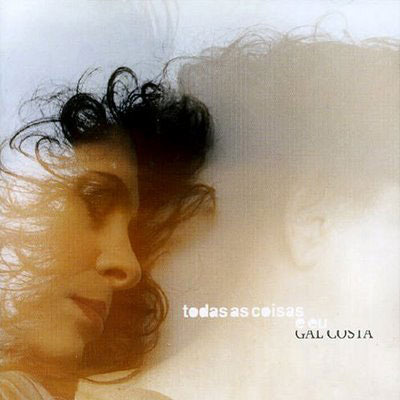
 View Artist