Song Meaning
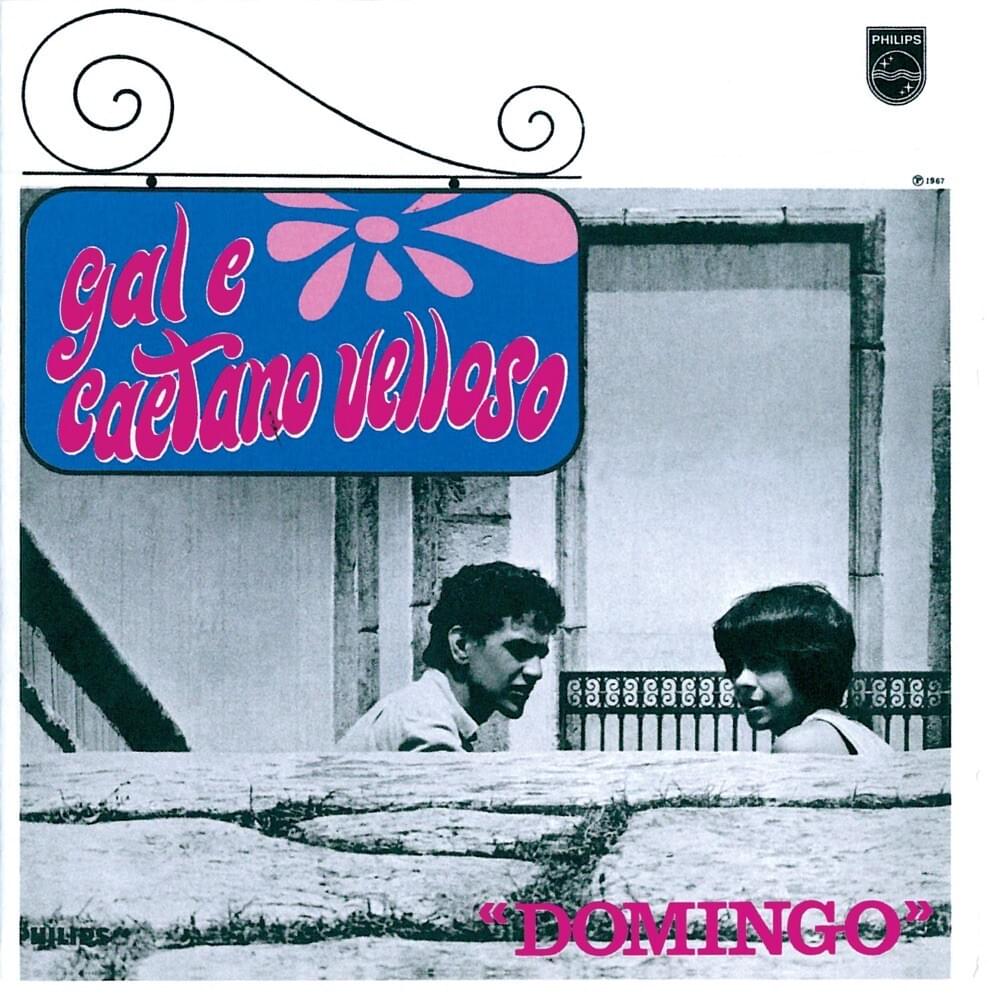
Gal Costa's "Um Dia," featuring Caetano Veloso, isn't just a song; it's a carefully constructed emotional architecture, a sonic balm for the heartbroken. The lyrics, sung in Portuguese, paint a vivid tableau of hope and resilience in the face of separation. The opening lines evoke a memory of joy, a sun-drenched morning where the loved one's presence illuminated everything. This sets a stark contrast to the present, where sadness seems to loom. The repeated encouragement to 'open your eyes, show your smile' reveals a deep yearning to reignite that lost happiness. The singer isn't dismissive of the pain, but rather acknowledges it while simultaneously offering a lifeline. The phrase 'quero, careço, preciso' underscores the singer's profound need to witness the other's joy, suggesting a codependent relationship or a deep empathy.
The core of "Um Dia" lies in its promise of return. The singer assures their loved one, 'Eu não estou indo-me embora / Tou só preparando a hora / De voltar' ('I am not leaving / I'm just preparing the time / To return'). This isn't a simple platitude; it's a commitment woven into the fabric of the journey. The lyrics map this return across diverse landscapes—'Na resistência do vento / No tempo que vou e espero' ('In the resistance of the wind / In the time that I go and wait')—emphasizing the perseverance and patience required to bridge the distance. The mention of specific locations, like 'Raso da Catarina' and 'Amaralina,' roots the abstract concept of homecoming in tangible, geographically significant spaces, heightening the personal resonance for those familiar with Bahia.
Ultimately, "Um Dia" transcends its immediate context of romantic longing to touch upon a universal human experience: the struggle to maintain hope amidst adversity. The repetition of 'Vou voltando pra você' ('I'm coming back to you') functions as a mantra, a reaffirmation of unwavering devotion. The song's cyclical structure, returning to the image of a bright morning and a renewed smile, reinforces the idea that joy, though temporarily obscured, is ultimately recoverable. It suggests that even after sorrow, there is an opportunity to return to a state of happiness and togetherness. The final lines hinting at roads that 'will bring everyone back / to the party of the place' elevate the intimate relationship to something larger, a communal celebration of reunion and resilience.
 View Artist