Song Meaning
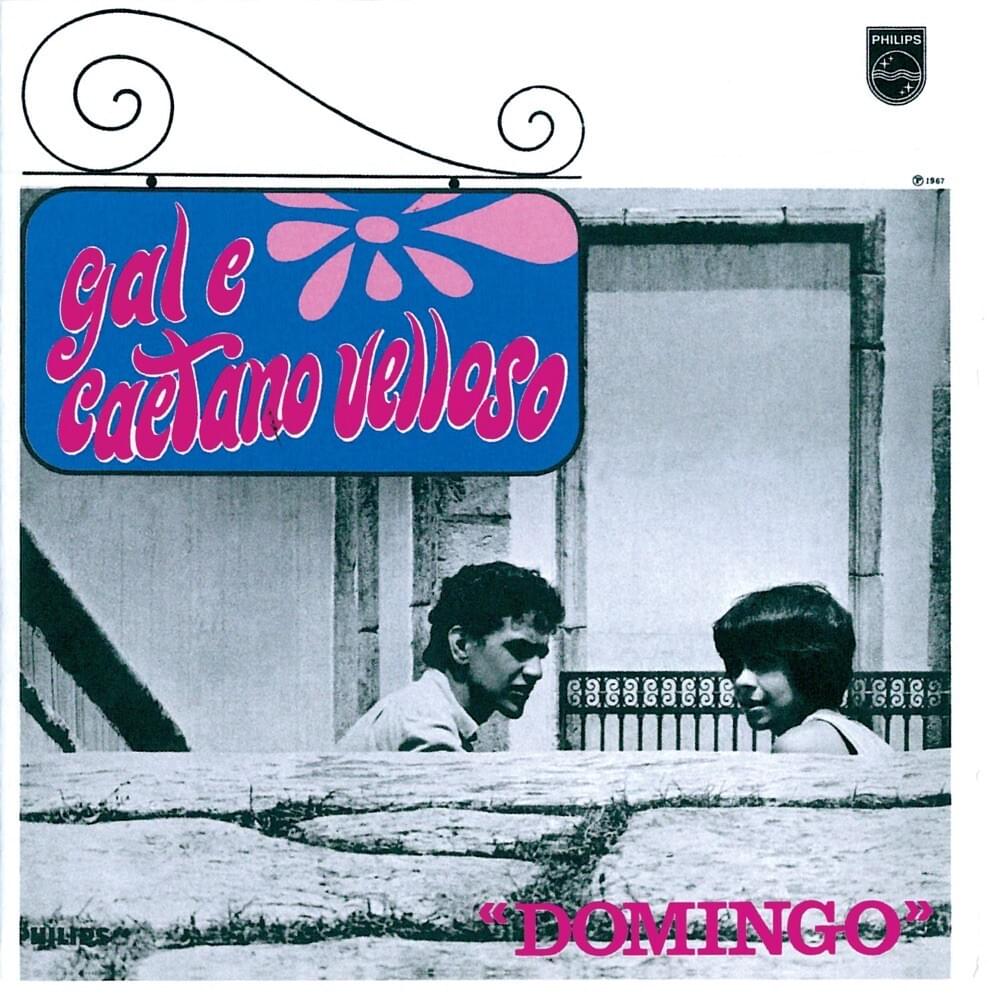
Gal Costa's "Domingo," featuring Caetano Veloso, spins with the melancholic grace of a carousel winding down. More than just a Sunday stroll, the song captures the quiet desperation of a soul adrift in cyclical time. The lyrics paint a vivid tableau: a town square, a rose, and the recurring image of people turning, all under the weight of a listless afternoon. This isn't the vibrant energy of a bustling marketplace; it's the weary orbit of lives tethered to routine. The rose, a classic symbol of beauty and fleeting joy, becomes almost tragic in its stillness, a focal point for the turning but unable to break free itself. It's a subtle acknowledgement that beauty exists even within the mundane, yet it's tinged with a sense of resignation. The repeated plea, "Rosa, não espera por mim" ("Rose, don't wait for me"), speaks to a fear of being anchored, a desire to escape the stasis that the rose represents.
The lyrics delve into the heart of existential ennui. The phrase "Esta tarde está morta" ("This afternoon is dead") hangs heavy, suggesting not just the end of a day, but the death of possibility and hope. The rose, now described as "coitada" (poor thing), further emphasizes a sense of shared suffering and helplessness. The setting expands from the square to encompass doorways, living rooms, and the garden, implying that this feeling of stagnation permeates every aspect of life. The questioning of what day awaits reveals a profound uncertainty about the future, a sentiment amplified by the final lines: "Não há madrugada esperando por mim" ("There is no dawn waiting for me").
Musically, "Domingo" likely reinforces this sense of weary repetition. The circular melody paired with the lyrical themes creates a powerful statement about the human condition. Ultimately, the song isn't a celebration of simple pleasures; it's a poignant meditation on the quiet despair that can settle into the corners of our lives when hope fades and the promise of a new beginning seems perpetually out of reach. It speaks to that uniquely human fear of being trapped, not by physical constraints, but by the invisible chains of routine and unmet expectations.
 View Artist