Song Meaning
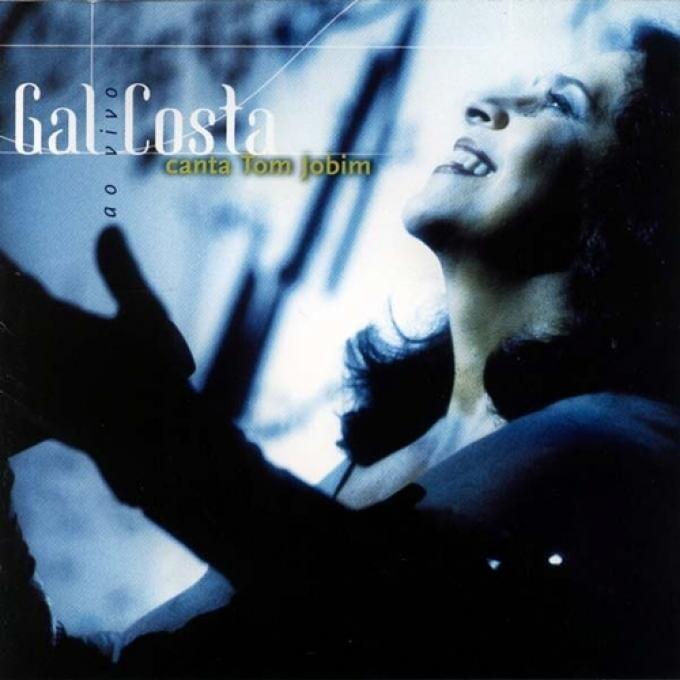
Gal Costa's "Tema de Amor de Gabriela" isn't just a love song; it's a raw, exposed nerve of longing and self-doubt disguised as a serenade. The opening lines, a direct invitation – "Chega mais perto, moço bonito" (Come closer, handsome boy) – immediately establish a sense of yearning. The singer's world is a "dark desert" until illuminated by the arrival of this 'ray of sunshine.' But beneath the surface of infatuation lies a darker current. The repeated plea for closeness suggests a profound need, an almost desperate desire to escape solitude. This isn't simply romantic; it's existential.
The lyrics quickly pivot to a more complex emotional landscape. The sensuality of "Molha tua boca na minha boca" (Wet your mouth on my mouth) is juxtaposed with a crushing insecurity: "Mas quem sou eu nessa vida tão louca / Mais um palhaço no teu carnaval?" (But who am I in this crazy life / Just another clown in your carnival?). This is where the song's true meaning resides. It's not just about wanting to be loved; it's about the fear of being seen as disposable, a mere amusement in someone else's life. The image of the clown, a figure of exaggerated emotion and performative joy, hints at a vulnerability hidden beneath a facade.
The lines "Casa de sombra, vida de monge / Quanta cachaça na minha dor" (House of shadows, monk's life / How much cachaça in my pain) paint a picture of isolation and self-medication. The cachaça, a potent Brazilian spirit, becomes a symbol of numbing the pain of loneliness. The final verse reiterates the initial plea for connection, but now tinged with desperation: "Vem que eu te espero tremendo de amor" (Come, I'm waiting for you, trembling with love). It's a powerful image, the singer exposed, vulnerable, and utterly dependent on the return of this 'sunshine' to dispel the darkness. "Tema de Amor de Gabriela," therefore, is a poignant exploration of love's capacity to both illuminate and expose our deepest insecurities.
 View Artist