Song Meaning
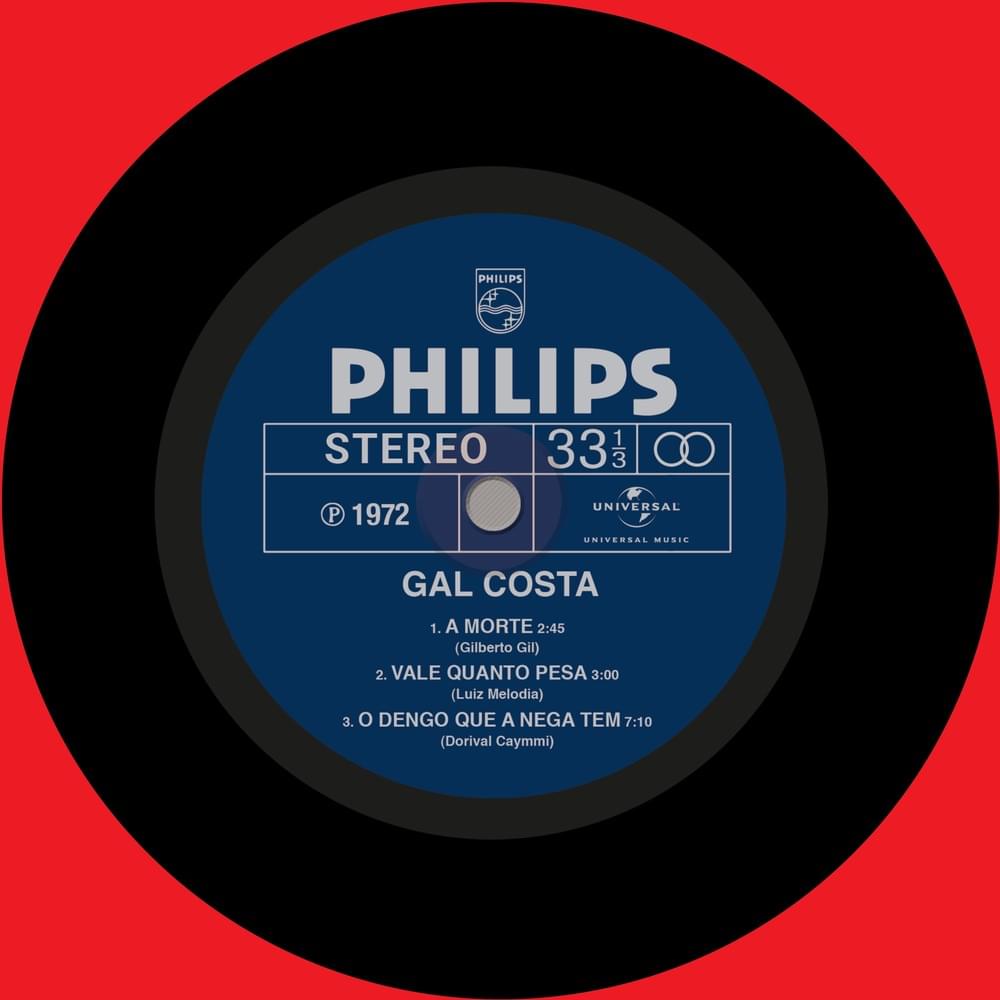
Gal Costa's "A Morte" isn't a lament; it's a stark, almost regal observation. The song, whose title translates directly to "The Death," frames mortality not as a tragedy, but as an inevitable, sovereign force. Costa's lyrics paint death as a queen, one who reigns utterly alone and requires no invitation, no desperate plea to arrive. This isn't a shadowy figure lurking in the darkness; it's a ruler secure in her dominion. The repeated assertion that death needs neither 'recado' (message) nor 'medo' (fear) underscores its self-sufficiency and unwavering power. Costa isn't just singing about death; she's defining its chilling autonomy.
The psychological weight of "A Morte" lies in its unflinching acceptance. There's no bargaining, no denial, just a recognition of death's inherent authority. The lyrics, while simple, carry a profound sense of finality. The mention of 'súbito colapso' (sudden collapse) as a possible form of death's arrival hints at the unpredictable nature of existence, further emphasizing the queen's control. We, the living, are merely subjects in her kingdom, vulnerable to her sudden decrees. This is not a comforting image, but it's a brutally honest one.
The brilliance of "A Morte" resides in its concise yet potent imagery. Costa doesn't delve into flowery metaphors or religious allegories. Instead, she presents a stark, almost clinical portrait of death as an autonomous power. This approach encourages a confrontation with mortality, forcing the listener to acknowledge its omnipresence rather than shy away from it. The song's impact isn't through emotional manipulation, but through a cold, unwavering gaze into the abyss, delivered with the effortless grace and gravitas that defined Gal Costa's legendary career.
 View Artist