Song Meaning
The lyrics paint a stark picture of impending doom and a twisted connection. A fragile "sand house" faces an overwhelming wave, while fire exits are deliberately blocked. The central image pairs a "bride" with "anguish," immediately setting a deeply melancholic and ironic tone for the entire piece.
A profound sense of fatalism permeates these lines, suggesting an inescapable, perhaps self-inflicted, tragedy. The speaker describes a relationship or state of being where one is "nails" and the other "the hand," implying an intimate, yet potentially painful, bond that leaves little room for individual agency. This connection culminates in the chilling declaration: "You will be the bride, and I am anguish," starkly subverting the traditional joy of a wedding into a symbol of deep, personal sorrow and an almost predestined unhappiness.
The imagery of destruction is particularly potent, creating a vivid sense of inevitable loss that feels both personal and universal. The "sand house washed away by a wave" illustrates impermanence and the overwhelming power of external forces, suggesting that even carefully built foundations are ultimately fragile. This is compounded by the unsettling command to "block the fire exits," which implies a conscious, almost self-destructive choice to trap oneself within a doomed situation, rather than seeking any form of escape or hope.
The verse adds a layer of shared, traumatic history, with "birds slept, waves slept" in a "long cold sleep," hinting at a widespread cessation of life or hope. The cryptic line, "With our chests we caught black bullets, We called him Father," suggests a collective sacrifice or suffering under a powerful, perhaps oppressive, figure. This blend of personal despair and shared, violent memory makes the lyrics resonate with a profound, almost mythic sense of tragedy, leaving the listener to grapple with its unsettling implications.
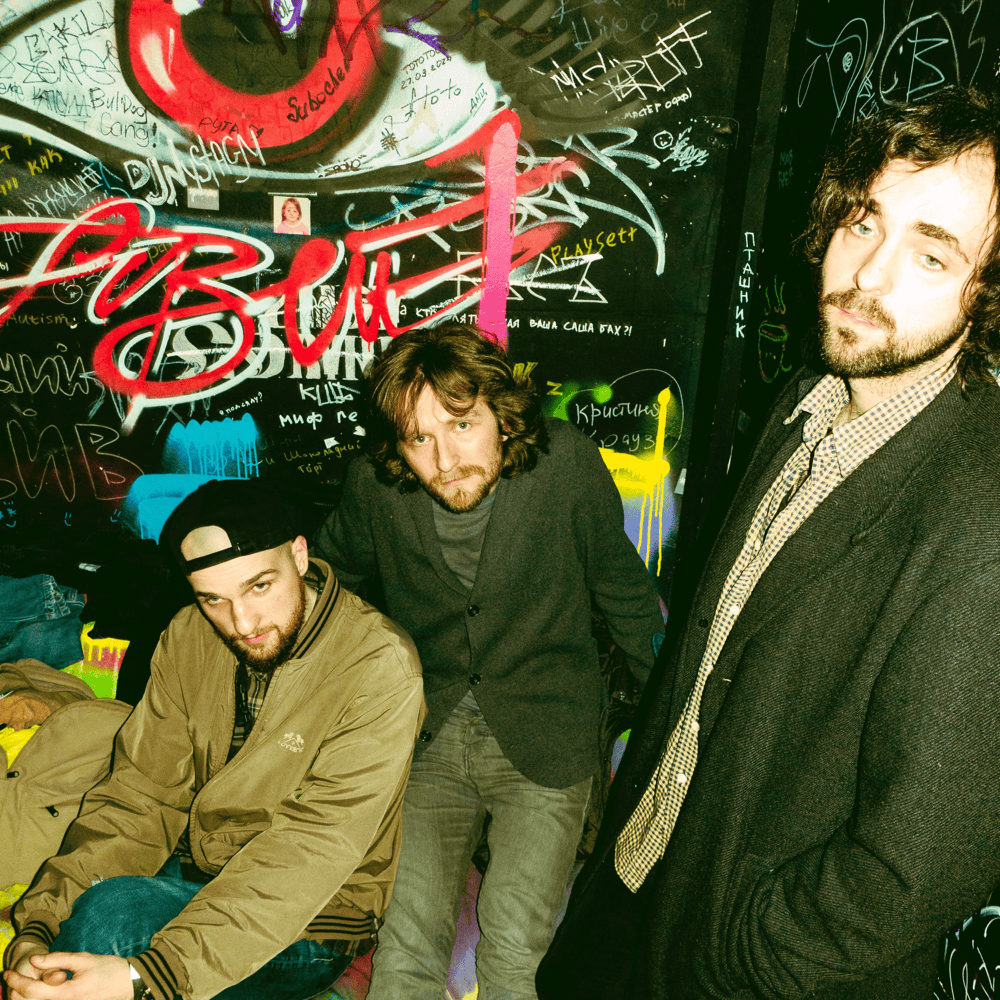
 View Artist