Song Meaning
The lyrics paint a picture of an intense, all-consuming love that borders on self-destruction. The narrator repeatedly declares their deep affection, emphasizing how this love overwhelms them, even to the point of breaking them. This isn't a gentle affection; it's a force that shatters their senses and pushes them to the brink. The repetition of "Kimi no koto o aishiteiru yo" underscores the obsessive nature of this devotion.
The central tension arises from the stark contrast between this overwhelming love and the agonizing absence of the beloved. The narrator craves the physical and emotional intensity the other person provides, describing it as "pleasure I can never get again" and something that makes them lose consciousness. Yet, the repeated, desperate refrain "Dakedo kimi wa koko ni inai..." (But you are not here...) reveals a profound loneliness and an inability to cope with this absence. This creates a painful paradox: the love is so powerful it threatens to destroy the narrator, but the lack of that very love is unbearable.
The writing effectively uses visceral imagery to convey the depth of this passion. Phrases like "entwining wet bodies" and "even your crazy face is beautiful" suggest a love that embraces flaws and physical intimacy to an extreme degree. The idea of giving "pain" being given to the beloved, alongside pleasure, highlights a love that is both ecstatic and masochistic. The recurring motif of "never again" – "Nido to erarenai" (never again can I get), "Nido to modoranai" (never again will return), "Nido to hanasanai" (never again will let go), and finally "Nido to naosenai" (never again can be fixed) – emphasizes the finality and irreversible nature of both the love and the resulting devastation.
This lyrical construction is effective because it grounds an almost unbearable emotional state in concrete, sensory details. The raw, almost desperate pleas for the absent lover to return, coupled with the acknowledgment that the situation is "never again can be fixed," creates a potent sense of tragic obsession. The listener is left with the feeling of witnessing a love so intense it has become a destructive force, leaving the narrator utterly dependent and broken in its wake.
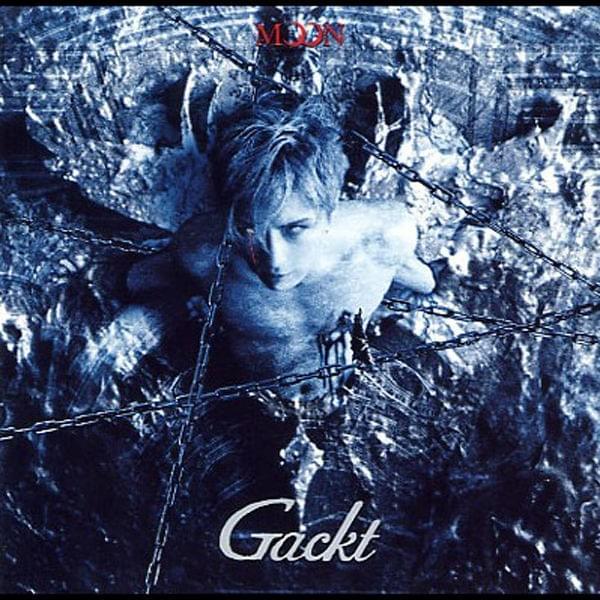
 View Artist