Song Meaning
The lyrics for "Nostalgia" immediately transport the listener to an idealized past. It's a world where "todo era más verde" and life moved at a "ritmo más lento." This opening establishes a scene of tranquil, almost pastoral beauty.
Beneath this serene surface, a quiet tension emerges. The narrator introduces "Él," who has been "esperando que corresponda a su amor" for six months. This specific, unresolved longing anchors the general wistfulness, revealing a personal ache within the broader nostalgic landscape. The telegram, a formal and somewhat distant medium, underscores this emotional distance.
The true emotional punch comes from the telegram's content. Rather than a direct declaration, "Nicolás" simply wishes "A Mariíta" a "porvenir risueño" – a bright future. This subtle choice is masterful; it's not an explicit confession of love, but a hopeful, perhaps even resigned, blessing. This indirectness amplifies the sense of unrequited affection, making the "seis meses" of waiting feel all the more poignant and uncertain. The repetition of idyllic park scenes, with different authors like Poe, Borges, Wilde, and Goethe, then serves as a gentle counterpoint, highlighting the enduring beauty of the past even as personal desires remain unfulfilled.
These lyrics are effective because they refuse simple sentimentality. They weave together broad, romanticized images of a bygone era – contemplating sunsets, breathing pure air, sitting under a noble quitasol – with a deeply personal, understated narrative of yearning. The contrast between the slow, beautiful past and the specific, unresolved emotional present creates a rich tapestry of feeling. It's a powerful evocation of how personal longing can color even the most idyllic memories, making the past feel both comforting and bittersweet.
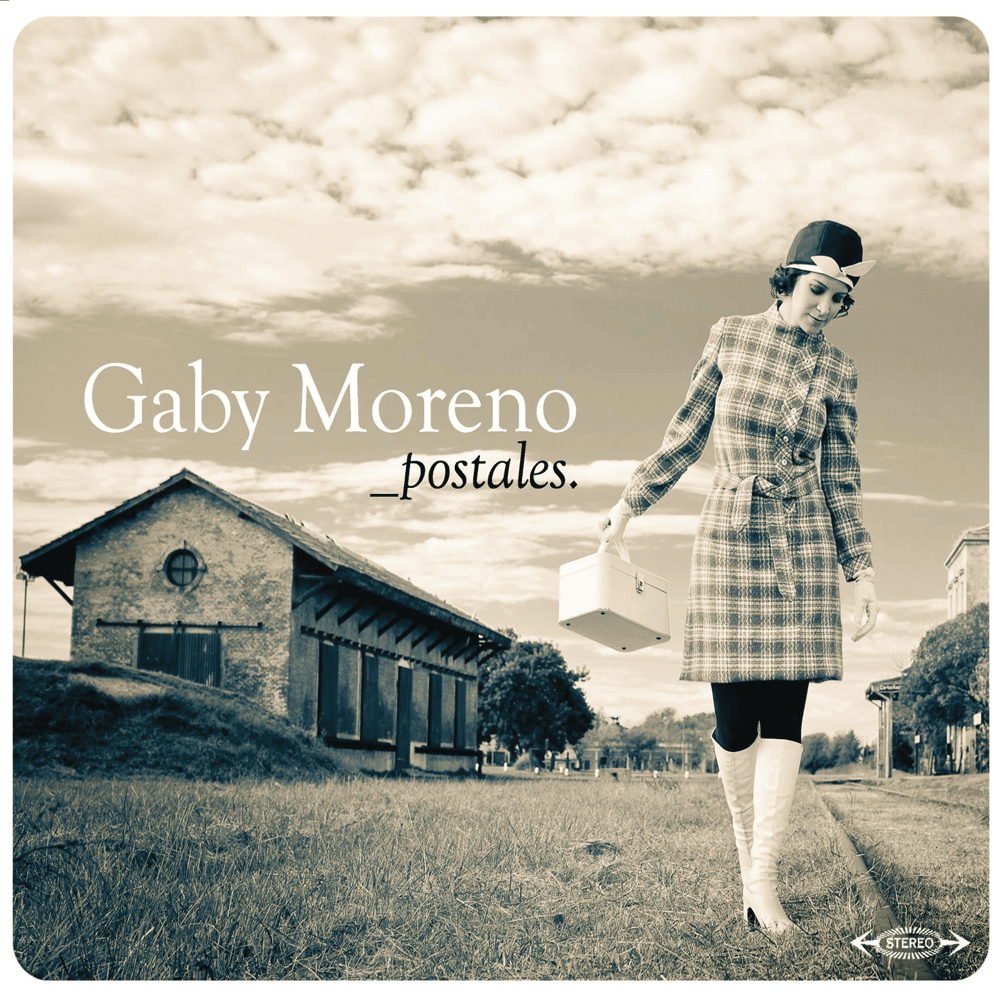
 View Artist