Song Meaning
The narrator paints a stark contrast between a pastoral ideal and a desolate present. Early on, there's a yearning for a simple, idyllic life: "a house in the country," "several children, a horse." This vision is infused with a spiritual element, "a god at dawn." The present, however, is a place where even nature is absent, where "frogs don't croak" because they've "emigrated," possibly sensing an encroaching, unnatural presence hinted at by "nuclear aroma."
The core tension lies in the crushing weight of lost dreams and the resulting disillusionment. The lyrics pose a direct question: "If you step on them and kill them / How will you be happy?" This speaks to a profound internal conflict, a sense of having betrayed one's own aspirations. The desire to "dance, dance, dance" to steps taught by those who "once loved me" suggests a longing for connection and a past where these dreams felt alive and supported.
The most striking image is the metaphor of "navigating against your dreams." It powerfully captures the feeling of actively working against one's own happiness and future, a self-defeating struggle. The idea that freedom itself is "just a word" that is "beautiful to imagine" but ultimately leads to "disappointment not to find it" underscores the narrator's deep sense of loss and the hollowness of abstract ideals when they fail to materialize in reality.
Ultimately, the effectiveness of these lyrics stems from their raw portrayal of broken aspirations and the quiet despair that follows. The specific, yet relatable, imagery of a lost rural idyll and the visceral metaphor of fighting against one's own dreams create a potent emotional landscape. The repeated question about happiness, bookending the song, leaves the listener with a lingering sense of melancholy and a contemplation of the cost of abandoning one's deepest desires.
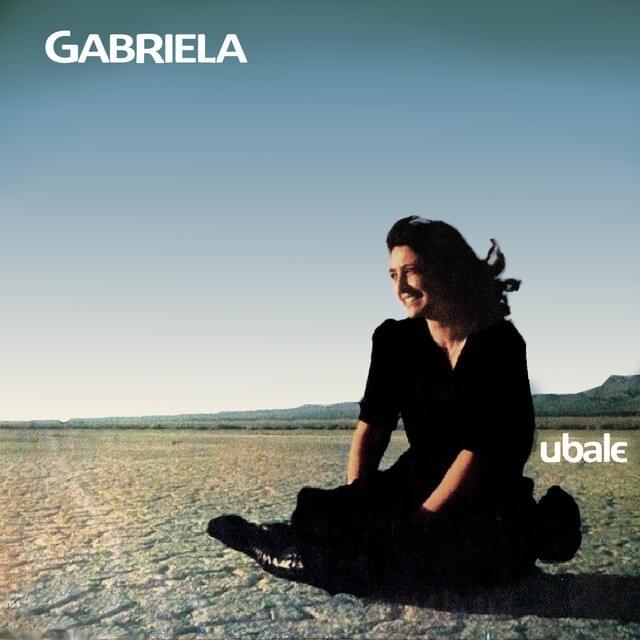
 View Artist