Song Meaning
The lyrics immediately drop the listener into a terse street interaction: a police officer stops someone, identified first as "Daniel," then corrected to "Gabriel." The exchange is brief, a quick check that ends with the officer telling him to "segue teu rumo" (go on your way) as he's "não tá com nada em cima" (not carrying anything).
The central tension lies in this fleeting power dynamic. Gabriel's responses, "Deixa esse papo pra depois" (leave this talk for later) and a quick "Valeu, valeu," suggest a desire to disengage swiftly. There's a subtle push-and-pull between the authority of the stop and Gabriel's polite but firm navigation of it.
The most striking craft element is the direct, unadorned dialogue, which lends raw authenticity to the scene. The correction, "Mas aí, é Gabriel," is particularly potent. It's a quiet assertion of identity against the backdrop of a routine stop, where individuals can easily be reduced to a generic encounter. This small detail elevates the interaction beyond mere compliance.
These lyrics are effective because they capture a common, often overlooked, urban experience with stark realism. The brevity and colloquial language make the scene feel immediate and lived-in. It's a powerful snapshot that, without grand statements, illuminates the dynamics of street-level authority and the subtle ways individuals assert their presence within it.
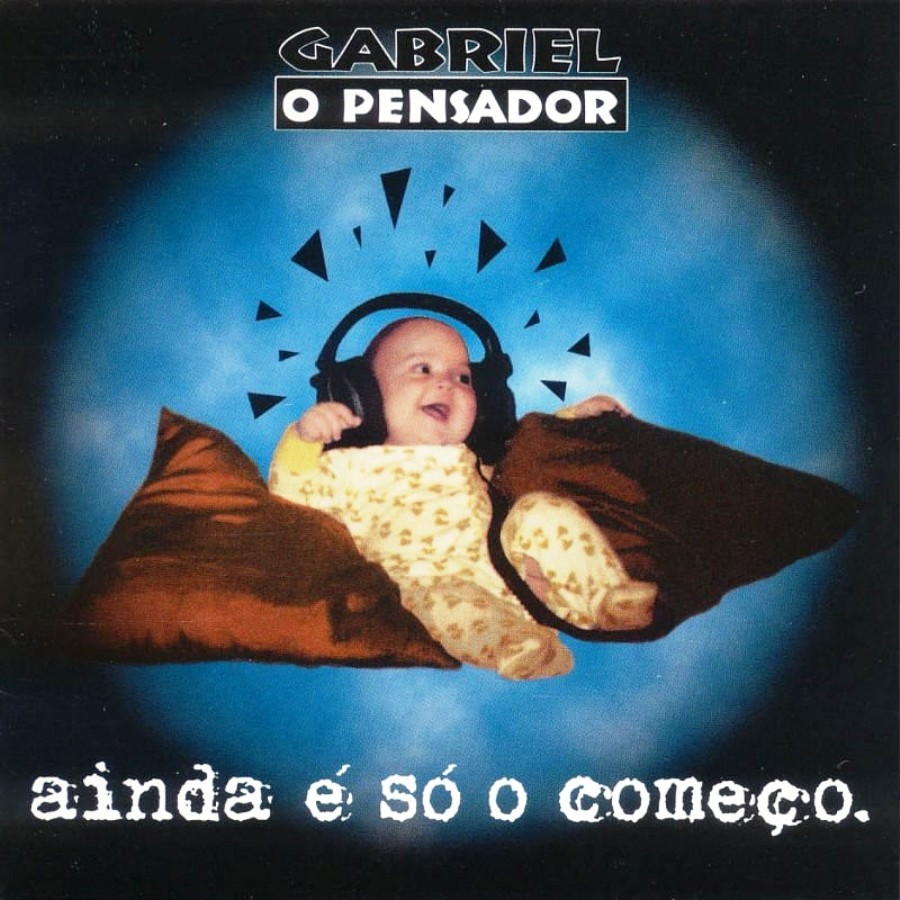
 View Artist