Song Meaning
The lyrics paint a picture of profound stillness and anticipation surrounding a singular, momentous event: the birth of a child in Bethlehem. The repetition of "that day" emphasizes its singularity, setting it apart from all other days. The initial verses establish a scene of quiet reverence, where the world "in solemn stillness lay," awaiting not just any birth, but the arrival of a "Promised One" and "newborn King." This isn't just a historical account; it's imbued with the weight of years of waiting and the fervent prayers of those who anticipated this specific arrival.
The core tension arises from the contrast between the quiet, almost humble setting of the birth and the immense significance attributed to it. While the scene is simple – "They came to see Him where He lay" – the pronouncements are cosmic: "angels sing," "joy bells ring," and the proclamation of "Christ the newborn King." This juxtaposition highlights the divine nature of the event, suggesting that the most transformative moments can occur in the most unassuming circumstances. The lyrics suggest that this child's birth is not merely a historical footnote but a pivotal moment in time.
The most striking aspect of the craft is the relentless emphasis on "that day" and "Bethlehem." This repetition acts as an anchor, grounding the extraordinary claims in a specific time and place. It transforms the narrative from a general concept of salvation into a concrete, singular event. The shift in the third stanza, moving from observation to direct address – "Return, in your searching heart, to Bethlehem" – invites the listener into the experience, suggesting that the significance of that day is not confined to history but offers a path to personal renewal: "Reborn, you can begin to live again."
Ultimately, the lyrics aim to evoke a sense of awe and a call to action. The birth is presented as a divine intervention, "God became a man," bringing the "Savior of the world." The concluding verses pose a rhetorical question, "How can we choose to just remain?" after hearing this news, implying that the knowledge of this event demands a response. The repeated call to "proclaim" suggests that the impact of "that day in Bethlehem" is meant to resonate through all time, urging listeners to acknowledge and share its significance.
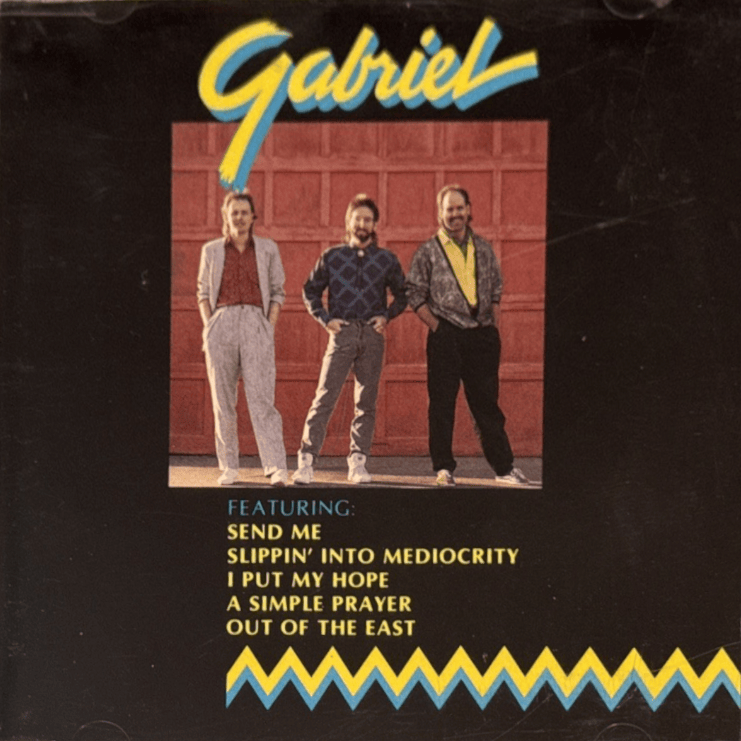
 View Artist