Song Meaning
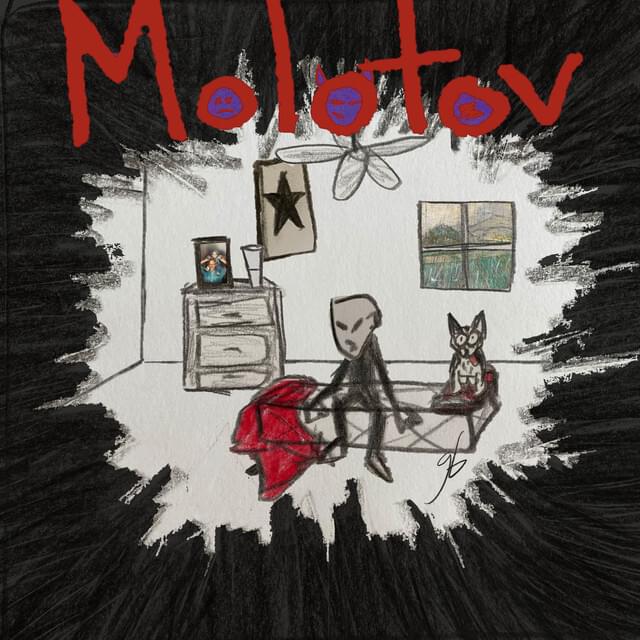
The narrator is trapped in a suffocating cycle of inertia, finding solace only in the passive consumption of media. They're so disconnected from their own life that they express a disturbing indifference to their surroundings, even contemplating the destruction of their apartment. This apathy is so profound that the idea of their living space burning down is framed as a potential catalyst, the only thing that might finally motivate them to move. The repeated phrase, "At least it'd get me off the couch," underscores this deep-seated stagnation.
This feeling of being stuck fuels a desperate desire for change, even if that change is destructive. The narrator acknowledges a fundamental dissatisfaction with their identity, wishing to be someone else entirely. The line, "And nobody's coming to save me so go ahead and take the shot," reveals a sense of abandonment and a defiant, almost self-destructive, willingness to embrace chaos. It suggests a belief that radical action, however perilous, is the only viable path forward.
The core of the song's emotional weight lies in the repeated, almost chanted, declaration: "Maybe I'm better off Molotov." This isn't a literal desire to commit arson, but a potent metaphor for self-immolation or explosive, destructive change as a means of escape. The lyrics paint a picture of someone so overwhelmed by their own inaction and self-loathing that they see burning it all down as a preferable alternative to their current existence. The imagery of "yelling at the taller trees" and being a "crybaby" further emphasizes a feeling of powerlessness against larger forces, amplifying the desperate appeal of a destructive outburst.
Ultimately, the effectiveness of these lyrics stems from their raw portrayal of existential despair and the seductive allure of radical, even self-destructive, transformation. The narrator's blunt self-assessment and the stark, violent metaphor of the Molotov cocktail create a powerful and unsettling expression of feeling trapped. It resonates because it articulates a dark impulse many might feel when faced with overwhelming apathy and a perceived lack of agency, making the desperate plea for explosive change feel viscerally real.
 View Artist