Song Meaning
The lyrics present a speaker who embodies a vast spectrum of opposing forces, suggesting a complex and perhaps overwhelming presence. Initially, the speaker identifies with natural, powerful elements like "water" and "waves crashing," but this quickly shifts to darker, more restrictive imagery such as "madness," "loss," "dark," "hunt," and "cage." This juxtaposition establishes a core tension: the speaker is both a force of nature and a source of confinement, a duality that seems to be directed at or experienced in relation to another person.
The central conflict appears to revolve around the speaker's intense, perhaps desperate, devotion versus the other person's potential indifference or eventual abandonment. The repeated refrain, "I am rejection i am redemption," highlights this push and pull, as does the line, "I could be never if thats what you want." This suggests a willingness to adapt or disappear based on the other's desires, yet this flexibility is framed by a deep-seated need for "obligation." The speaker is offering themselves, their very being, as a constant, even if that means embodying negative states.
The most striking craft element is the relentless use of the "I am" declaration, creating a powerful, almost hypnotic assertion of identity. This is amplified by the rapid-fire listing of contrasting states: "the strength the weakness," "rejection i am redemption." The lyrics also employ a poignant conditional: "If this were the last breath i ever took / Would you take the time to look and would you know." This question reveals a deep-seated anxiety about being unseen or unacknowledged, even in the face of ultimate commitment.
Ultimately, the effectiveness of these lyrics stems from their raw, unflinching portrayal of self-negation in the name of devotion. The speaker is willing to be anything, even destructive or confining, for the other person, yet simultaneously craves recognition and fears being discarded. The final lines, "You could protect me / But you will kill me when you're through," encapsulate this tragic paradox, suggesting that the very act of being 'used up' or 'finished with' by the other person will be the speaker's undoing, despite their immense, self-contradictory power.
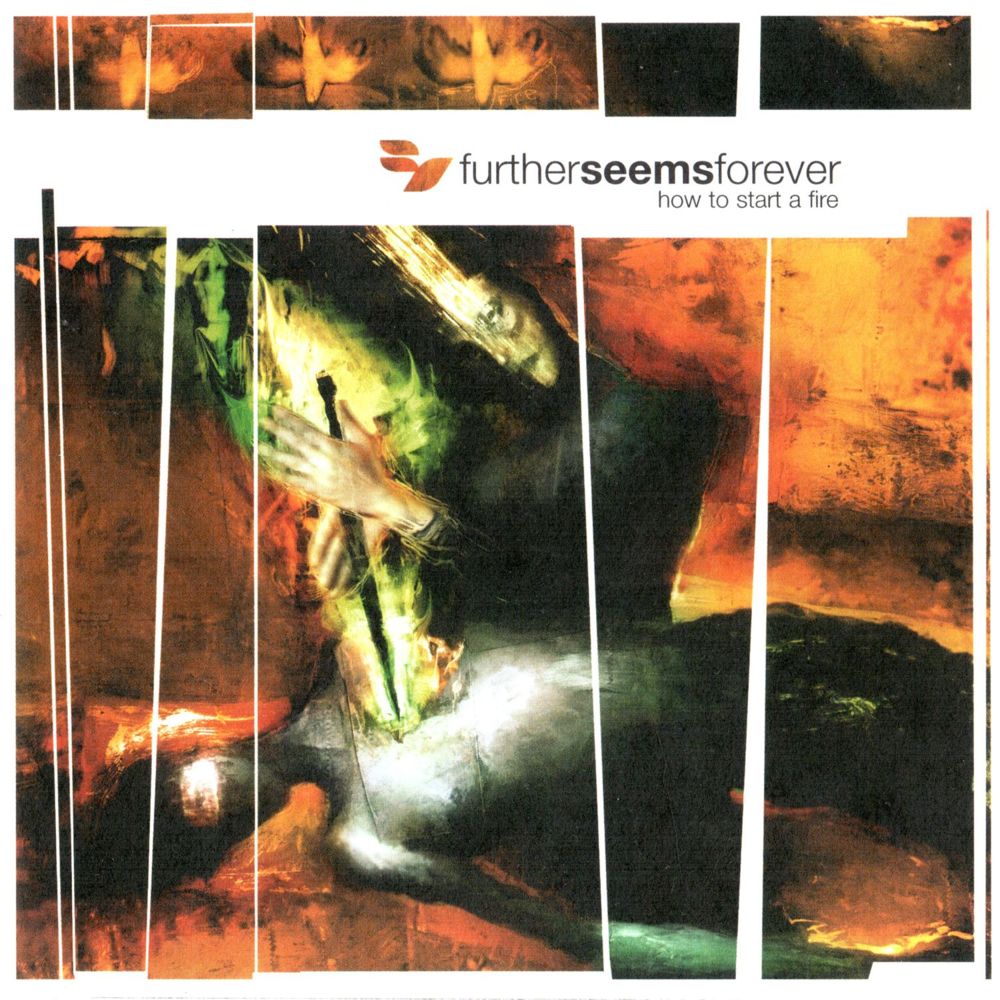
 View Artist