Song Meaning
The narrator’s life feels defined by a passive, almost aimless waiting. Phrases like "twiddling my thumbs" and "waiting for it to come along" paint a picture of someone stuck in neutral, believing that external forces will bring fulfillment. This inertia is presented as the core of their struggle, a self-identified flaw where "the days you're on your own / And the way they move so slow" become a tangible, agonizing experience. The lyrics suggest a deep-seated frustration with this lack of agency.
The central tension arises from the contrast between this passive existence and the urgent, almost desperate advice offered: "Find someone who loves you and don't let go." This directive feels like a sudden jolt, a plea for action born from the narrator's own perceived failures. It’s a call to seize something, to anchor oneself against the slow, agonizing passage of time and the potential for loss. The repetition of "don't let go" and "let them know" emphasizes the importance of active engagement and commitment.
The most striking element is the abrupt shift in tone and subject matter when the narrator addresses a potential departure. The chorus, "When you walk away, away, / Don't turn back," is a stark command, seemingly at odds with the earlier desire for connection. This is further complicated by the later verses describing a world of "hate" and "tyranny," where the plea shifts to "Just take me away from here." It suggests that sometimes, walking away, decisively and without regret, is the only path to escape overwhelming negativity or fear, even if it means abandoning hope for change.
Ultimately, the effectiveness of these lyrics lies in their raw portrayal of internal conflict and external threat. The initial depiction of stagnation makes the subsequent advice to hold on feel earned, a hard-won lesson. The jarring command to "don't turn back" when walking away, however, introduces a complex, almost contradictory wisdom: that sometimes, the most active choice is a definitive exit from a bad situation, a severance from tyranny and fear. This duality makes the song resonate as a meditation on the difficult choices between holding on and letting go.
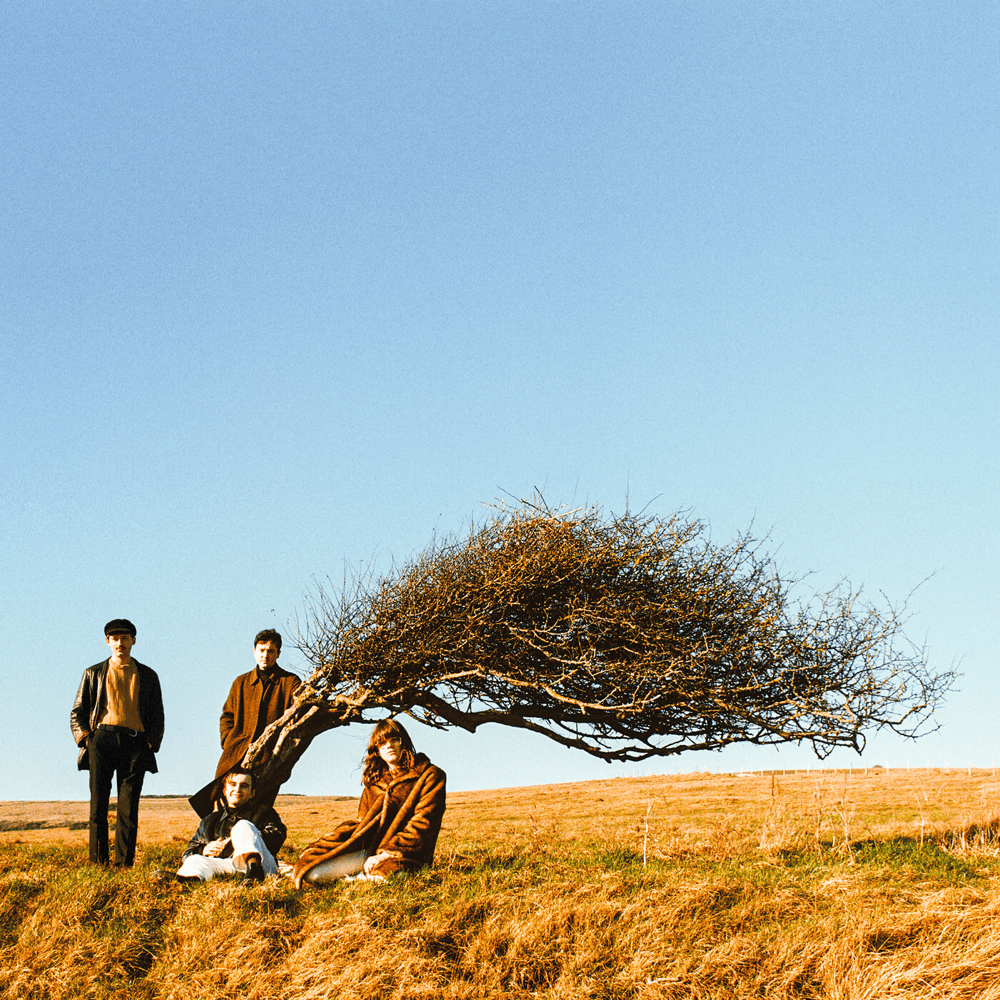
 View Artist