Song Meaning
The lyrics paint a stark picture of broken peace, where time itself seems to be a performance that shatters any semblance of harmony. This isn't a gentle unraveling; it's a "savage remembrance," a brutal confrontation with the past that leaves a "hole of immeasurable intolerance." The immediate tone is one of sharp, almost violent, disillusionment, suggesting a deep-seated conflict that has fractured the present.
The central tension appears to stem from a struggle with memory and perception, particularly how the past intrudes upon and distorts the present. The image of a "kamikaze bled dry" careening into a river evokes a sense of desperate, self-destructive action, perhaps a failed attempt to escape or confront these overwhelming memories. The muddy banks suggest a place of stagnation and decay, where this destructive force meets its end.
The most striking craft element is the personification of time and memory. "Time pretense" actively "shatters harmony," and "veins course with the memories of a present we've forgotten." This imbues abstract concepts with agency, making the internal struggle feel external and inevitable. The conditional statements, "If it whispers, it bends / If it harks, it is alone," further emphasize the fragility and isolation inherent in this fractured state, where any attempt at connection or acknowledgment leads to further distortion or solitude.
This writing is effective because it avoids sentimentality, opting instead for visceral, almost brutal imagery to convey emotional devastation. The juxtaposition of "shatters harmony" with "savage remembrance" creates a potent sense of loss. The lyrics force the listener to confront the destructive power of unresolved past, presented not as a gentle echo but as an active, shattering force that leaves an indelible, intolerant void.
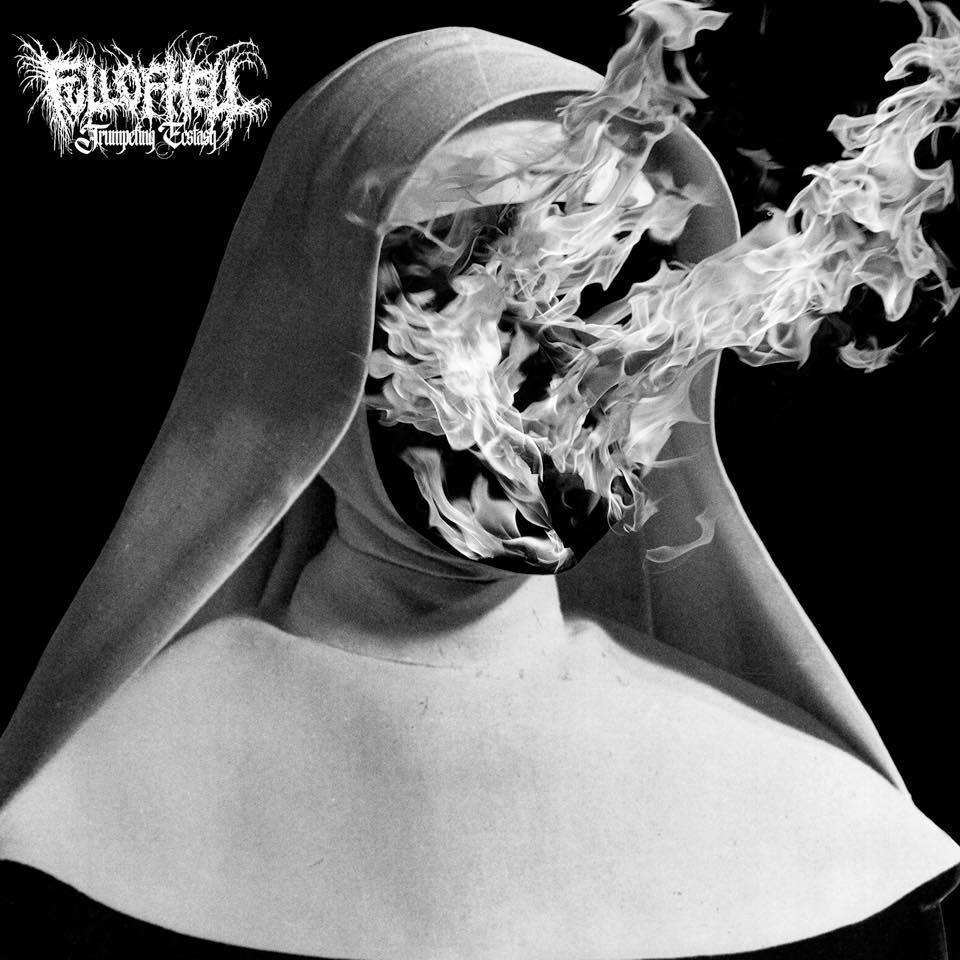
 View Artist