Song Meaning
The lyrics paint a bleak, almost apocalyptic picture of humanity, presenting mankind as inherently vile and destructive. The opening lines immediately establish a tone of disgust, labeling the species as "atrocious minds" and "putrid beings" driven by a relentless pursuit of "power." This relentless cycle, from living to dying for it, is depicted as leading the earth towards an "inevitable doom" through unchecked consumption and "disgusting gluttony." The imagery of "chop away on a cold dead carcass" is particularly visceral, underscoring a profound sense of decay and predation at the core of human nature.
The central tension arises from the narrator's absolute condemnation of humanity, seeing no distinction between the species and the very evils it claims to abhor. The lyrics suggest a deep-seated hypocrisy, where individuals "judge" and "tell you right from wrong" while exhibiting the same "animal instincts to kill and conquer." This lack of "sympathy" and "remorse" is presented as an innate, unchangeable trait, "twisted ways from the day they are born." The repeated assertion that "these horrible ways will never change" solidifies this fatalistic outlook.
A striking aspect of the craft is the stark, almost chant-like repetition of negative traits: "Spite, greed, power, lust" followed by "Lies, hate, deceive, and distrust," and then a shift to more violent actions like "Fight, kill, devour, unjust." This rhythmic cataloging of vices creates a sense of overwhelming, inescapable corruption. The short, declarative phrases like "Earths disease!" and "Deranged minds!" function as potent, almost primal cries that amplify the feeling of a species consumed by its own inherent flaws. The final declaration, "Sickness of humanity," serves as a definitive, chilling diagnosis.
What makes these lyrics hit so hard is their unflinching, almost nihilistic portrayal of human nature stripped bare of any redeeming qualities. The absolute language and the relentless focus on inherent corruption leave little room for hope, creating a powerful emotional impact through sheer force of condemnation. The writing doesn't offer comfort or nuance; instead, it forces a confrontation with a dark, almost primal view of existence, making the "sickness" feel all-encompassing and inescapable.
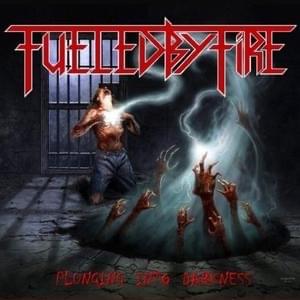
 View Artist