Song Meaning
The lyrics paint a picture of someone observing a recurring, performative sadness in another person. The opening lines immediately establish a sense of weary familiarity: "Znowu dziś / Mokre oczy masz" (Today again / You have wet eyes). There's an immediate ambiguity, a question of authenticity – "Nie wiem, czy to nastrój, czy dym" (I don't know if it's mood or smoke) – suggesting the tears might be feigned or a response to something unseen. This observer notes the averted gaze, the attempt to hide, which only heightens the suspicion that this display is a calculated act.
The central tension lies in the narrator's growing awareness and disillusionment with this person's emotional manipulation. The contrast between the perceived "czysta tak / I niewinna tak" (so pure / so innocent) demeanor and the narrator's suspicion of a "blef" (bluff) creates a palpable sense of betrayal. The narrator explicitly states, "Przy tobie uczę się / Już / Nigdy nie wierzyć łzom" (With you I learn / Already / To never believe tears), highlighting how this relationship has taught them a harsh lesson in skepticism.
The most striking aspect of the craft is the direct confrontation with the artifice. The narrator sees through the act, recognizing it as a "gra" (game) and a "chwyt" (trick). The lyrics point out the irony of trying to hide something the whole town knows, "Skoro całe miasto już wie" (Since the whole town already knows). This repetition of "Mokre oczy masz" (You have wet eyes) transforms from a simple observation into a motif of insincerity, a recurring performance the narrator is tired of witnessing.
Ultimately, these lyrics resonate because they capture the painful experience of recognizing deception in someone you might have once believed. The narrator's resignation isn't passive; it's an active learning process, a hardening against further hurt. The final lines, "Zbiera mi się z tobą na płacz" (I feel like crying with you), are a complex expression of despair – not for the other person's supposed sorrow, but for the narrator's own situation, trapped in a game of manufactured emotions.
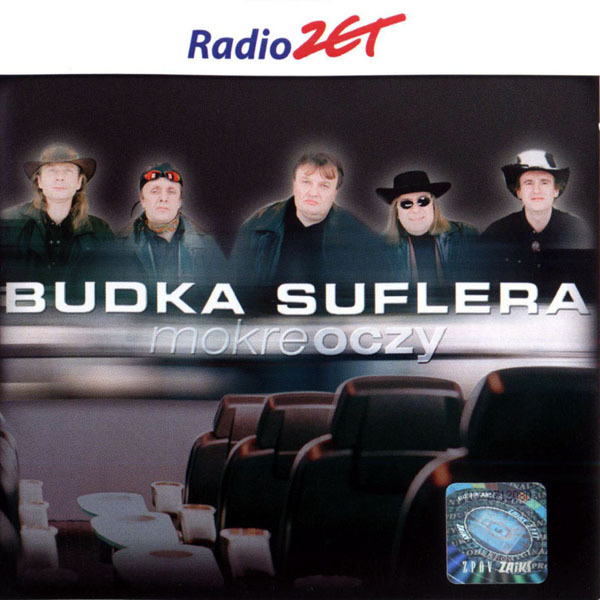
 View Artist