Song Meaning
The lyrics paint a stark picture of stagnation, even as the seasons change. Winter's departure is noted, yet a persistent chill remains, mirroring an internal state that refuses to thaw. The external world is actively altered – "plains" are "tore up" for a "new tollway" – suggesting progress or development that feels imposed and perhaps unwelcome, contrasting with the narrator's own stalled existence. This external transformation highlights the internal lack of movement, creating a palpable sense of being left behind or disconnected from the forward march of time and development.
The central tension lies in the yearning for renewal versus the reality of isolation. The desire for spring's warmth and a world turned "green" is potent, coupled with the fantasy of "twisting along the open road like a snake." Yet, this hopeful imagery is immediately undercut by the recurring refrain: "alone again as usual / Out on the balcony." This balcony becomes a liminal space, a vantage point for observing life without participating, emphasizing the gap between desired freedom and present confinement. The anticipation of a "flood" to "drown out the feeling" suggests a desperate wish for overwhelming change, even if destructive, to break the cycle of loneliness.
The lyrics masterfully employ contrasting imagery and a cyclical structure to amplify this feeling of being trapped. The potential for an "awakening" that could be "reasonably easy" is presented, juxtaposed with a spiritual "born again again just yesterday." This latter phrase, with its repetition and temporal ambiguity, hints at a past attempt at rebirth that feels hollow or incomplete, leaving the narrator still "alone again." The seismic metaphor of a "two-point-eight is still a quake" is particularly striking; it suggests that even a seemingly minor disruption can have a profound, belief-shattering impact when one is already in a precarious state, reinforcing the fragility of the narrator's emotional landscape.
Ultimately, the effectiveness of these lyrics stems from their raw portrayal of a specific kind of despair. It's not a dramatic breakdown, but a quiet, persistent ache of isolation amplified by the world's indifferent motion. The repeated "alone again as usual" isn't just a statement; it's a resignation that lands with heavy familiarity. The juxtaposition of external change and internal stasis, the yearning for escape against the reality of the balcony, and the subtle spiritual and geological metaphors all combine to create a deeply resonant portrait of someone waiting for a change that feels both desperately needed and impossibly out of reach.
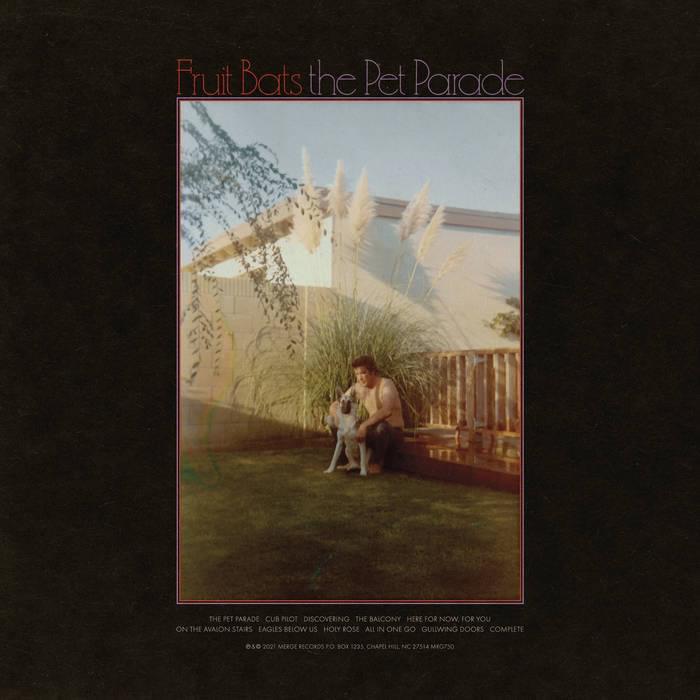
 View Artist