Song Meaning
The lyrics paint a stark picture of a world where agency is stripped away, leaving individuals trapped in a cycle of enforced silence and aggression. The opening lines immediately establish a sense of paralysis: "You can't say yes, you can't say no." This isn't just indecision; it's a forced state of being within a "fascist world," where even violence becomes a prescribed "point of view." The narrator observes this not as a choice, but as a consequence of the oppressive environment, noting it "always makes the best of you," a chillingly ironic statement suggesting it brings out a perceived strength or effectiveness born from desperation.
The core tension lies in the conflict between imposed control and the resulting internal or external hostility. Freedom is framed as an unattainable "luxury," directly linked to "self induced hostility," implying that the only perceived outlet for individuality is through aggression. The narrator feels cornered, "back is up against the wall," while a pervasive sense of death and destruction looms with "everywhere dead men fall." This creates a claustrophobic atmosphere where external "power games" and obstructive "methods" dictate every move, leaving no room for genuine expression or escape.
The most striking aspect is the cyclical nature of the imposed order and the violent reaction it breeds. The phrase "Violence is your point of view / It always gets the best of you" is a direct echo of the earlier sentiment, reinforcing the idea that this aggressive stance, while perhaps a survival mechanism, ultimately consumes the individual. The repetition of "Redundant fear but don't you see? - Efficiency" highlights a societal paradox: the pursuit of efficiency through control paradoxically generates fear and inefficiency, a point the narrator desperately tries to convey. The final image of being forced to "keep your face to the ground" underscores the complete loss of vision and hope, cementing the inescapable reality of the "fascist world."
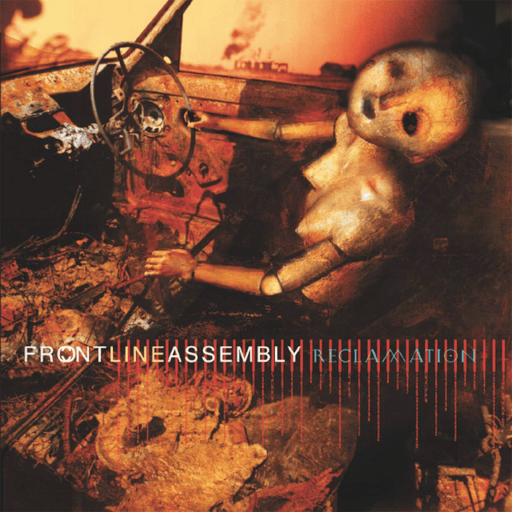
 View Artist