Song Meaning
The narrator is caught in a cycle of longing and pain, still deeply in love with someone who is absent. The opening lines establish a present-tense devotion, "Voljela sam te i još te volim," immediately followed by the stark reality of the present: "Noć je ova crna bez tebe." This sets a tone of enduring affection clashing with profound loneliness.
The central tension lies in the desperate hope for return versus the acknowledgment of the present suffering. The narrator clings to the possibility of reunion, "Ako ima sreće vratićeš se," but frames this hope with self-recrimination: "Moja kazna, moj grijeh." This internal conflict is amplified by the plea to their own tears, "Tiho, tiho suzo, ne daj se," suggesting a struggle to maintain composure amidst overwhelming sorrow.
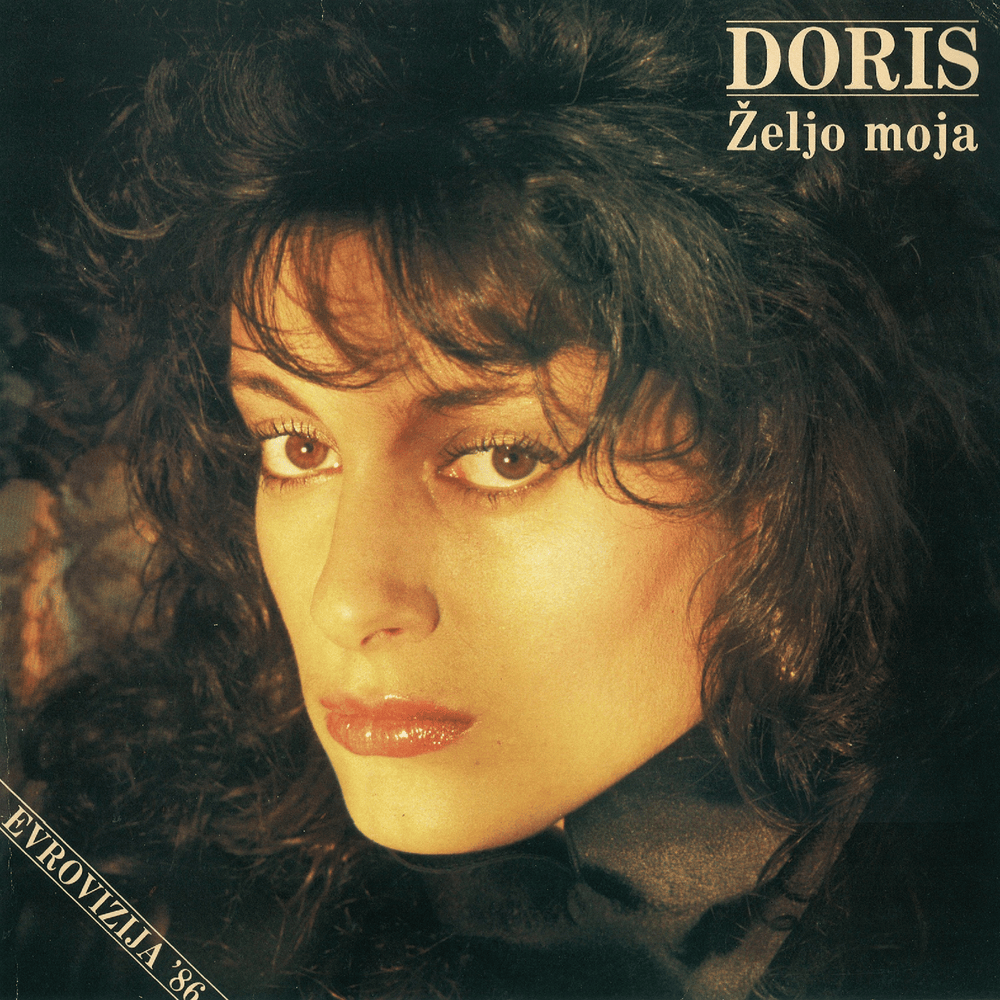
The repeated refrain, "Željo moja, tugo moja," is a masterclass in linguistic economy, collapsing desire and despair into a single, potent phrase. The possessive "moja" (my) underscores the intimate, all-consuming nature of this feeling, while the direct address to both "wish" and "sorrow" highlights how intertwined they have become. The stark declaration, "Sve, sve me boli od tebe," emphasizes that even the memory of the loved one is now a source of acute pain, a testament to the depth of their current anguish.
This lyrical construction is effective because it mirrors the experience of heartbreak: the persistence of love, the agony of absence, and the self-blame that often accompanies loss. The simple, direct language and the powerful, almost paradoxical pairing of "wish" and "sorrow" create an immediate emotional resonance, making the narrator's pain palpable and deeply felt.
 View Artist