Song Meaning
The lyrics open with a direct address, a sense of awareness that someone is present and listening, even if unseen. The narrator signals a desire for authenticity, urging to "cut the dick act" and invite open conversation. This sets a tone of confronting a shared weariness, a feeling of being "listless / And worn with age," where the first signs of decay appear as "crack in the paint."
The central tension seems to revolve around a relationship or a shared state of being that has become dull and faded, needing revitalization. The narrator acknowledges that "It wasn't you / It didn't break," suggesting the damage isn't from a specific incident but a gradual decline. The repeated phrase "a lick of paint" emerges as a metaphor for superficial fixes or a cosmetic renewal, contrasted with the idea that deeper issues might exist, like medications that "kill our judgement / And strip the paint."
The craft hinges on the recurring "paint" imagery, which shifts from a sign of decay to a potential solution. The contrast between "crack in the paint" and needing "a lick of paint" highlights a desire to cover up or refresh without necessarily addressing the underlying structural problems. The reference to "Remember Idaho / With nothing to do?" evokes a past state of idleness that might have contributed to this listlessness, suggesting a cyclical nature to their ennui.
Ultimately, the effectiveness lies in its quiet desperation and the subtle acknowledgment of self-blame. The narrator concludes by questioning their own role, "It could be me / Who's to blame?" before reiterating the need for "a lick of paint." This suggests a complex mix of wanting external change and recognizing internal responsibility, all while grappling with the superficiality of easy fixes.
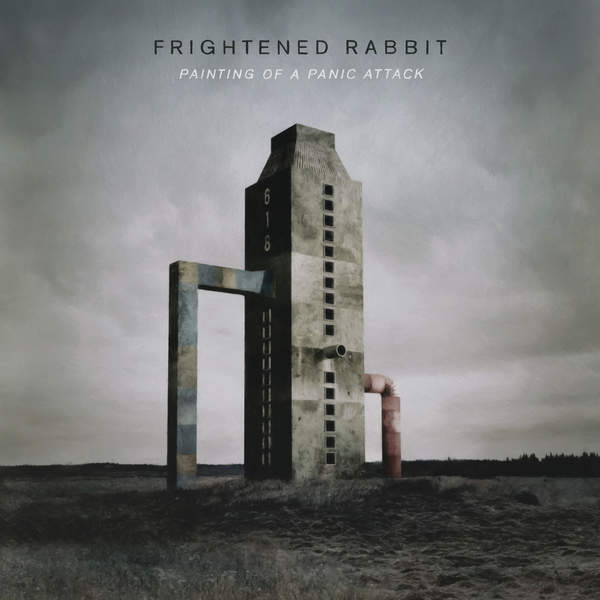
 View Artist