Song Meaning
The lyrics paint a picture of a relationship that began with intense, almost cinematic passion, quickly settling into a secluded, intimate phase. The narrator recalls the initial kiss as "ecstatic" and "cinematic," immediately referencing a classic film known for its tragic undertones, hinting at a foreboding undercurrent even in the early bliss. This sets up a contrast between the idealized beginning and the more complex reality that follows.
The central tension emerges with the first argument, a moment described as "pulling a lever," suggesting a point of no return or a sudden, irreversible shift. The partner's declaration, "I love you a lot, sometimes," is a fragile confession, met with the narrator's pragmatic, almost resigned acceptance: "sometimes is better than never." This phrase reveals a deep-seated insecurity and a willingness to settle for less than full commitment, highlighting the precarious emotional balance of the relationship.
The most striking craft element is the juxtaposition of intense personal moments with detached, observational reporting. The narrator moves from the "tiny room in Kensington" to hearing about the partner's subsequent moves "to the Midwest." The question, "Is that normal for you?" delivered after the initial intense phase, suggests a probing into the partner's patterns of behavior, which is then answered by the narrator's own observations of their restlessness. This creates a sense of distance and an inability to fully grasp or control the relationship's trajectory.
Ultimately, these lyrics resonate because they capture the bittersweet reality of relationships that burn bright but flicker out, leaving behind a trail of unanswered questions and quiet observations. The narrator's blend of romantic memory and pragmatic acceptance, coupled with the subtle hints of instability, makes the emotional landscape feel both specific and eerily familiar, reflecting the common experience of watching love ebb and flow with a sense of resigned understanding.
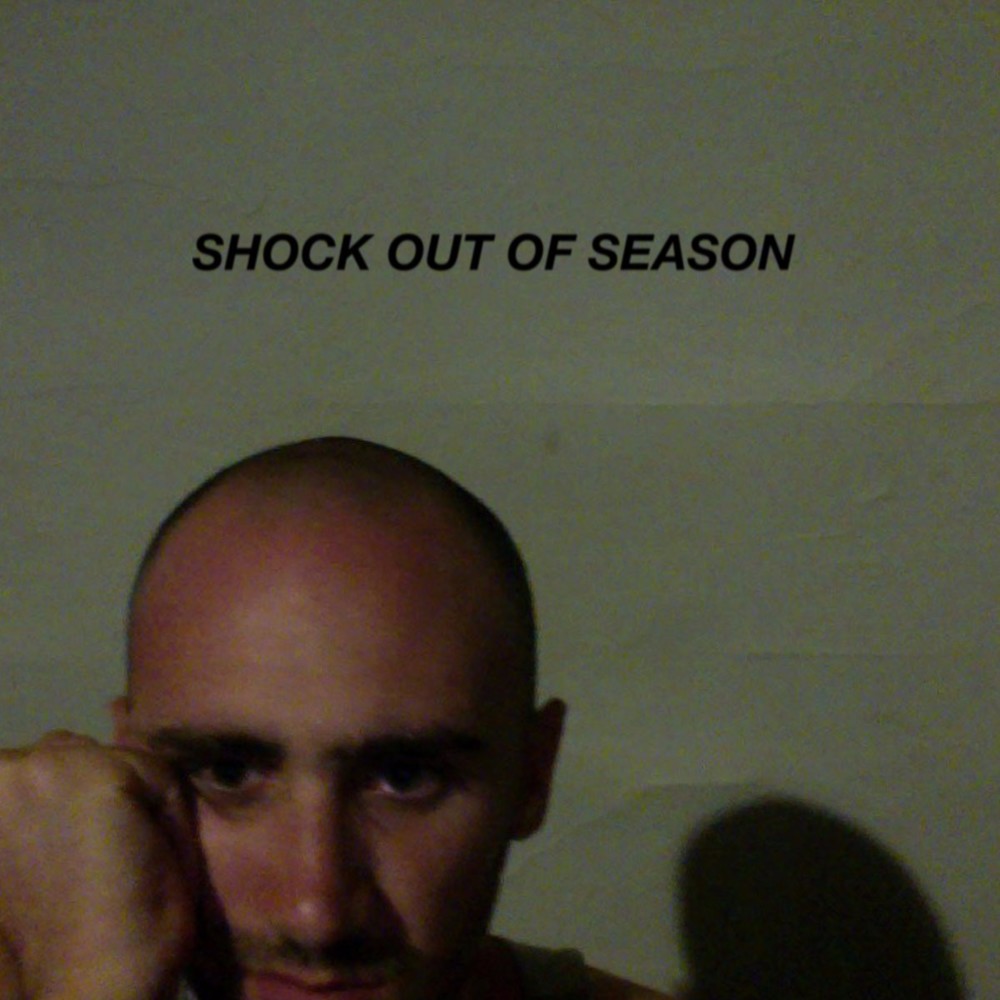
 View Artist