Song Meaning
The lyrics open with a stark assessment of power, noting the church's enduring influence while the state's "zeal" has waned. Amidst this, "Satan still holds court," suggesting a persistent, perhaps even thriving, dark authority. The immediate tone is one of cynical observation, setting up a world where traditional structures are either powerful or failing.
A central tension emerges from the search for "another way" in this fractured landscape. The speaker suggests that such a path could bring immense popularity, even "more popular than Green Day," a surprisingly modern and almost flippant metric for profound change. This commercialized measure of success clashes with the weighty implications of spiritual or philosophical innovation, hinting at a deep-seated conflict between genuine belief and public appeal. The personal plea "Wait for me" then injects a moment of vulnerability, grounding the grand ideas in a human desire for connection or shared purpose.
The lyrics employ striking, almost irreverent comparisons to highlight the unique position of "Jesus." He is "hated more than us" yet "loved more than the d.s.s," juxtaposing a figure of immense spiritual weight with a mundane, often maligned government agency. This unexpected comparison underscores Jesus's polarizing, yet undeniably impactful, presence in the cultural consciousness. It's a clever rhetorical move, forcing the listener to consider his relevance through a distinctly contemporary, even cynical, lens, rather than through traditional reverence.
The effectiveness of these lyrics lies in their unflinching portrayal of a society grappling with shifting beliefs. The potential for "Scientific humanism" to replace "The icons we know" speaks to a broader cultural anxiety about evolving belief systems. Yet, the concluding lament that there's "no-one there to lead us" reveals a profound yearning for guidance, even as old leaders are questioned and new ideologies emerge. The repeated, almost primal cry of "Wooooooooo, hoooo whh jesus" acts as an emotional anchor, a raw expression of bewilderment, frustration, or perhaps even a reluctant acknowledgment of his enduring, complex significance in this leaderless void.
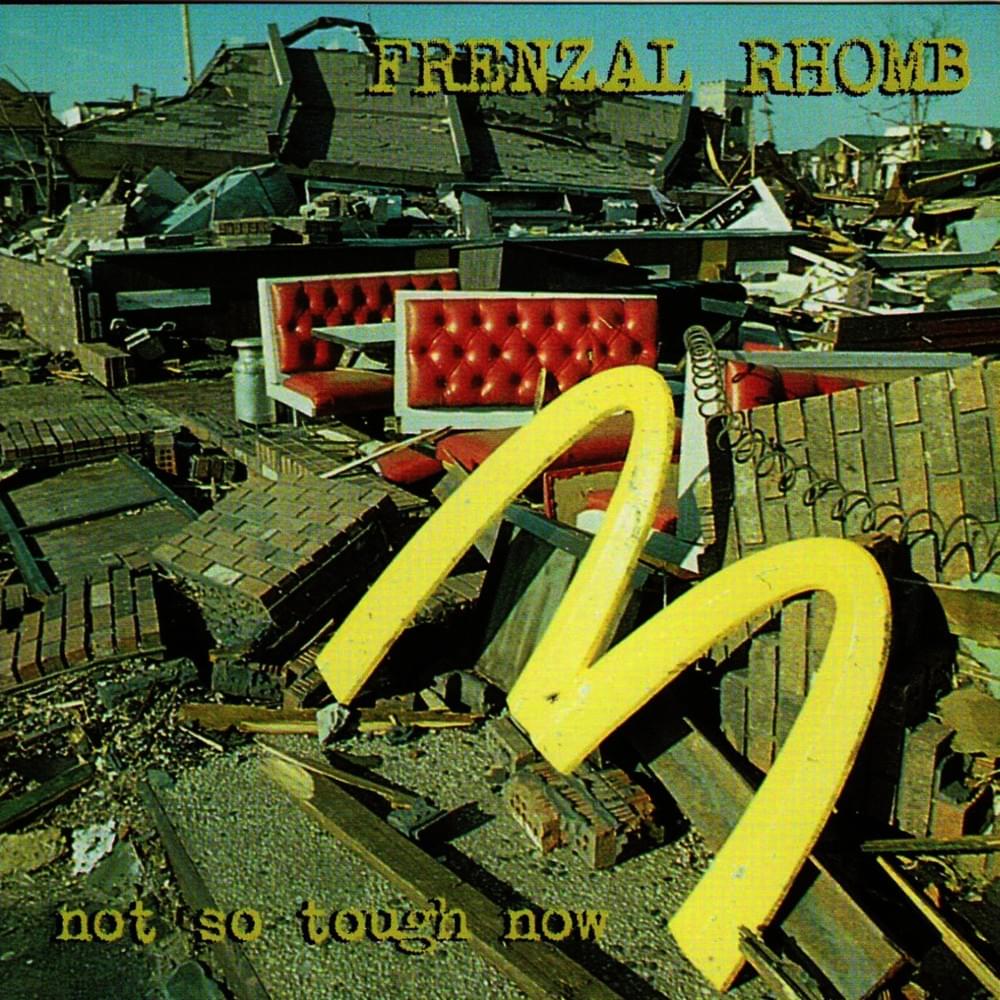
 View Artist