Song Meaning
The lyrics paint a picture of someone grappling with immense potential and the pressure that comes with it. The opening lines, "You get the world for your birthday baby / Open your eyes and say yes, no, maybe," suggest a grand, almost overwhelming gift of possibility. Yet, this is immediately contrasted with a sense of internal ticking, a "bomb" within, and a world that feels "silent," hinting at a profound disconnect between external opportunity and internal experience. The narrator seems to be observing someone who is hesitant to fully engage with their own life.
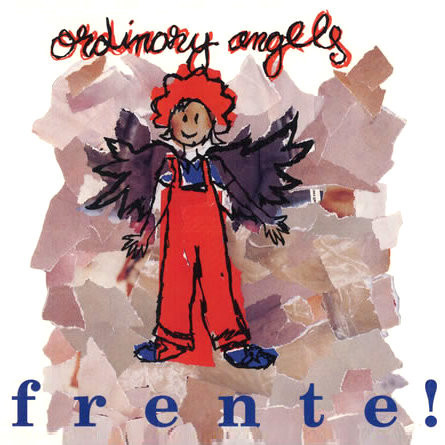
The central tension lies in the struggle between perceived obligation to achieve greatness and the simple desire to exist without such burdens. The phrase "even angels fall" directly challenges the idea of inherent perfection or invincibility, suggesting that even those with extraordinary gifts face setbacks. The narrator offers a counter-narrative to this pressure, asserting that "Ordinary people it's okay / You don't have to wear those wings." This refrain acts as a comforting reassurance, dismantling the need for performative or exceptionalism.
The most striking craft element is the juxtaposition of cosmic imagery with mundane advice. The idea of owning "your own comet" is a powerful metaphor for unique destiny or potential, yet it's immediately followed by the practical, almost dismissive, "They're stupid things" referring to wings. This contrast highlights the absurdity of striving for an idealized, perhaps unattainable, version of oneself when simple presence is enough. The repeated "Da-da-da" sections, devoid of specific meaning, further emphasize a feeling of drifting or a space for unburdened, unarticulated existence.
Ultimately, the effectiveness of these lyrics stems from their gentle dismantling of performance anxiety. By framing extraordinary potential as a heavy burden and ordinary existence as a valid, even preferable, state, the narrator offers a profound sense of permission. The repeated assurances that "it's okay" and "We're not watching anyway" create a safe space, encouraging the listener to shed the pressure of constant achievement and embrace a more authentic, less burdened self.
 View Artist