Song Meaning
The lyrics present a raw, unvarnished declaration against systemic violence and oppression targeting Black people. The opening lines immediately establish a litany of horrific acts – "beating, lynching, burning, raping" – framing the central theme as a refusal to endure further brutality. This isn't just about passive acceptance; it's an active rejection of being categorized or dismissed, as the narrator declares "We are not your O-R-D-I-N-A-R-Y R-A-P-P-E-R." The explicit mention of "N-I-G-G-E-R-S—on our chest" suggests a reclaiming of a slur, turning it into a defiant badge of identity against a hostile world.
The narrative escalates by directly confronting specific instances and perpetrators of violence, moving from generalized atrocities to the chillingly specific "white men murdering black men, taking 'em home, chopping their bones." The reference to Dahmer, a serial killer, and the question of his death "wonder if Dahmer diee-ie-ie-ie-ie-ie-ie-ie-ies?" injects a dark, almost taunting curiosity, questioning the justice or fate of those who inflict such horrors. This verse highlights the extreme depravity the lyrics refuse to tolerate, juxtaposing the victims' suffering with a morbid fascination about the perpetrator's end.
Verse 2 shifts focus to institutional figures and the manipulation of information, naming "Daryl Gates" and accusing him of creating "mistakes, false facts." The lyrics suggest a need for immediate action, "Get my gat from under my hat, surprise;" and a call to "Anticipate fate, liberate state—of mind." This section emphasizes a proactive stance, moving from enduring injustice to actively fighting for mental and societal liberation. The phrase "reaching out so we can feed the blind" implies a mission to awaken others to the harsh realities being presented.
The core of the song's power lies in its relentless repetition of "We will not tolerate" and its stark, unflinching catalog of atrocities. The chorus distills this defiance into a single, potent word: "fear!" The lyrics suggest that the ultimate goal is to overcome the fear that enables oppression. The raw, guttural "Huh! Huh! Huh! Huh!" and the "Huh-hah!" sounds in the outro serve as primal expressions of rage and resilience, underscoring the visceral nature of the struggle being articulated.
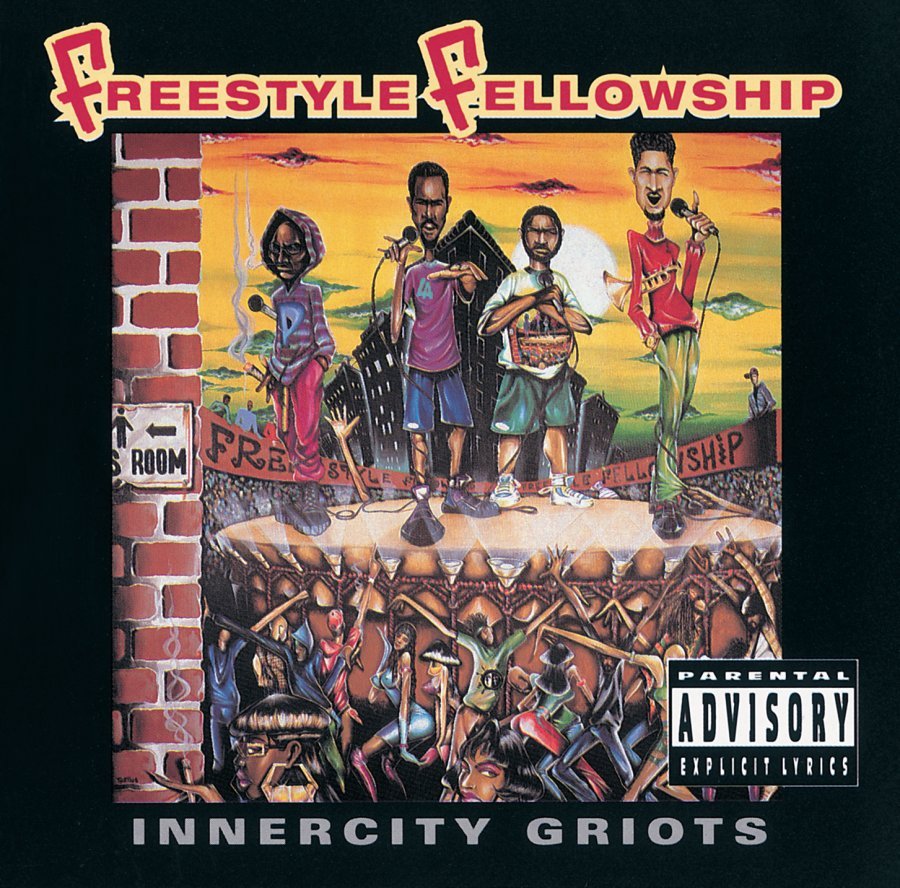
 View Artist