Song Meaning
The lyrics paint a picture of a creator, or perhaps a relationship intensely focused on creation, actively shaping and observing the landscape of their shared world. The narrator speaks of "chiseling out a mountain ridge with my breath" and "hovering over river bends," suggesting a god-like or deeply invested role in forming their environment. This act of creation is directly linked to a figure named Lucia, who apparently taught the narrator to "play with negative space," hinting at a collaborative or guided process of artistic or existential formation.
The core tension seems to lie in the messy, yet embraced, nature of this creation. The line "Look at us, we're a bloody mess, and we're loving it" captures a raw, perhaps painful, but ultimately satisfying process. The "words that we wrote back then" dissolving and reforming into "devout formations" suggests that even intended communication or art can take on a life of its own, evolving into something sacred or deeply meaningful, albeit unpredictably.
The narrator's reflection in Verse 3 is particularly striking, acknowledging a duality of giving and taking, perhaps a creator's burden. However, the focus shifts to a profound acceptance and ownership: "I am reveling in the riverbed that I made myself." This isn't just about shaping external features but about finding solace and pride in the very foundation of their existence, a landscape born from their own efforts and experiences, even the difficult ones.
This intricate weaving of creation, messiness, and self-acceptance makes the lyrics resonate. The imagery of sculpting the earth with breath and finding beauty in a "bloody mess" elevates the act of making something—whether art, a relationship, or a life—into a powerful, visceral experience. The narrator's final embrace of their self-made "riverbed" offers a potent sense of agency and earned peace within the often chaotic process of existence.
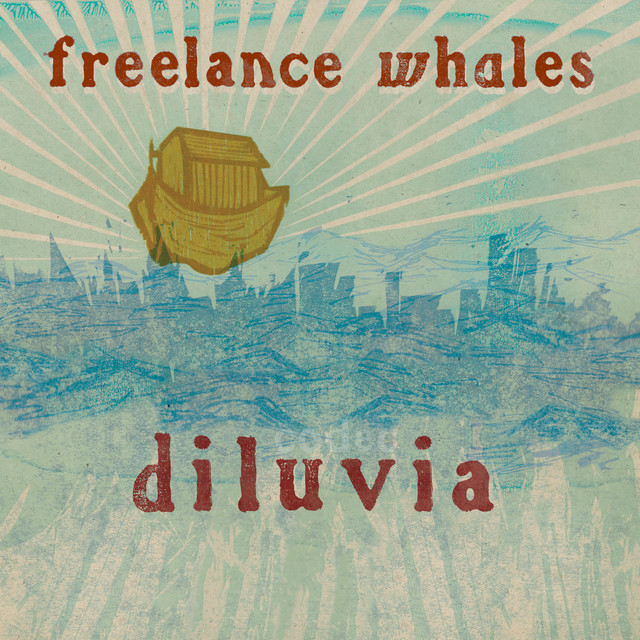
 View Artist