Song Meaning
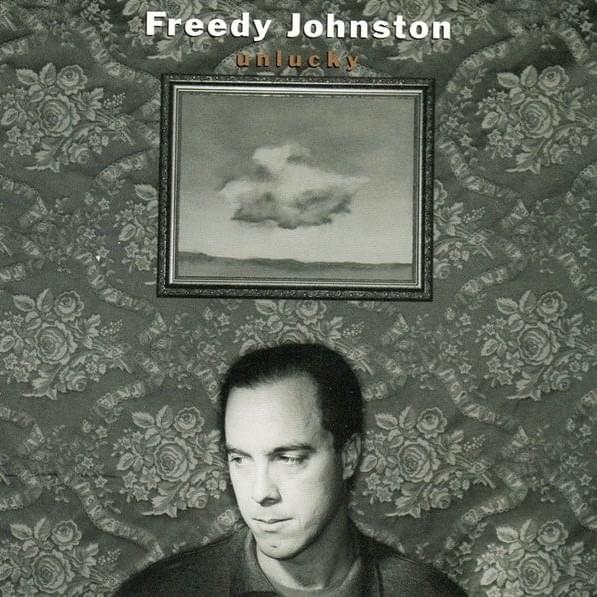
Freedy Johnston's interpretation of "Wichita Lineman" isn't just a cover; it's a quiet excavation of longing. The song's protagonist, a telephone repairman in rural Kansas, becomes an unlikely vessel for universal feelings of isolation and need. Johnston's understated delivery amplifies the inherent loneliness in the lyrics, transforming Glen Campbell's original soaring declaration into a more internal, almost desperate plea. The lineman's dedication to his job, driving the "main road / searching in the sun / for another overload," isn't just about keeping the lines up; it's a metaphor for the relentless, often thankless, work of maintaining connection in a world that constantly threatens to fray those bonds.
The recurring line, "I hear you singing in the wires," is particularly haunting in Johnston's rendition. It suggests a fragile, almost imagined connection to the object of his affection. Is it real communication, or simply the lineman projecting his desires onto the static of the telephone lines? The ambiguity is key. It speaks to the way we often create narratives and construct relationships in our own minds, especially when faced with physical or emotional distance. The "whine" in the wires becomes the constant hum of yearning, a sound both familiar and subtly maddening.
Ultimately, the song meaning circles back to the raw confession: "I need you more than want you / And I want you for all time." Johnston strips away any bravado, exposing the vulnerability at the core of romantic desire. It's not about fleeting passion, but about a deep, abiding need for another person—a need so profound it transcends mere physical attraction. The "Wichita Lineman" isn't just fixing telephone lines; he's desperately trying to repair the broken connections within himself, using the tools at his disposal to reach out across the vast expanse of the Kansas plains and bridge the gap between himself and the one he desires.
 View Artist