Song Meaning
The lyrics paint a stark picture of regret and a desperate need for closure, set against the backdrop of a "perfect world" that feels anything but. The opening lines immediately establish a sense of past transgression and a warning, "You oughta lock that door / Somebody might get in." This suggests a history of vulnerability or danger, with the narrator seemingly responsible for past harm or neglect. The repeated phrase, "Didn't I teach you that," carries a heavy, almost accusatory tone, hinting at a controlling or instructive past relationship that has now soured.
The central tension lies in the narrator's insistence on saying goodbye, despite acknowledging past wrongdoings and the apparent finality of their departure. The phrase "This perfect world / So blue I can't begin to say" is a powerful juxtaposition, using "blue" to convey both a deep, overwhelming sadness and perhaps a false, superficial beauty. The narrator's desire to leave, "I know I never should have gone away," clashes with their assertion that they "still deserve to say goodbye," creating a complex emotional conflict between accountability and the need for personal resolution.
The lyrics introduce a disturbing shift with the revelation, "They found her in the lake." This line, paired with "I see her in your face / Hear her in your voice," strongly suggests that the "her" is a shared figure, possibly a child or loved one, whose death is linked to the narrator's absence and the "perfect world" they inhabit. The narrator's own physical and emotional damage is evident: "You oughta see my scar / You think I'm made of stone," and the inability to cry due to "pills" points to a profound despair and numbness.
Ultimately, the effectiveness of these lyrics stems from their raw, unflinching portrayal of self-inflicted pain and the desperate, perhaps selfish, pursuit of absolution. The narrator's repeated claim to "deserve to say goodbye" becomes a haunting refrain, highlighting a profound disconnect between their actions and their perceived right to closure. The final command, "Lock this after me," leaves the listener with a chilling sense of finality and the lingering question of what exactly has been locked away.
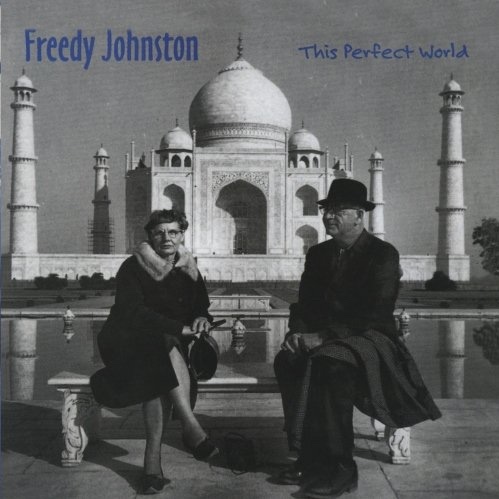
 View Artist