Song Meaning
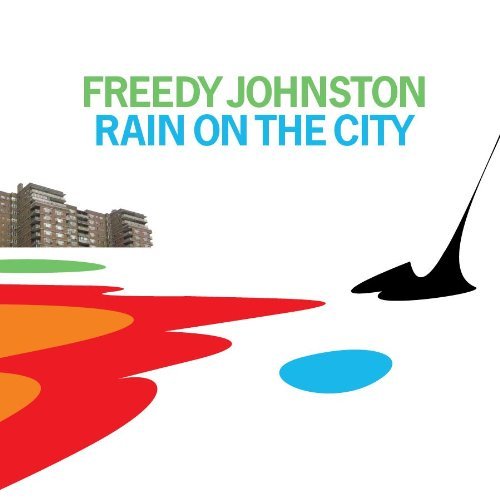
Freedy Johnston's "Rain on the City" isn't just about precipitation; it's a melancholic meditation on urban alienation, fleeting connections, and the cyclical nature of hope and despair. The recurring image of rain acts as both a literal description of the city's atmosphere and a metaphor for the emotional downpour experienced by its inhabitants. Johnston paints a series of vignettes: a couple finding solace in shared shelter, a frustrated traveler, a young woman rushing through the downpour. These are isolated figures, each caught in their own personal drama against the backdrop of the indifferent city. The rain, in its ubiquity, becomes a shared experience, a unifying force in an otherwise fragmented urban landscape. It’s a reminder that everyone, regardless of their circumstance, is subject to the same elemental forces.
But the lyrics delve deeper than simple observation. The narrator expresses a yearning to escape, a desire to merge with the rain and be carried away from the city's coldness. "Rain, can I go with you when you go?" he pleads, suggesting a longing for release from emotional burdens. This desire is further explored in the lines about an "empty bed, a broken desk, a temporary home," indicating a transient existence and a sense of rootlessness. Something haunts him, something he "saw and then heard," which amplifies his need to escape. The imagery of walking the streets and following the rain "down to the river" evokes a sense of surrender and a willingness to be swept away by the current of life.
Ultimately, "Rain on the City" offers a glimmer of hope amidst the urban gloom. The final verses speak of eventual renewal: "We will all come down, a peaceful sound / And rise up with the sun." This suggests a cyclical process of cleansing and rebirth, where pain is washed away and new beginnings are possible. The rain, which initially symbolized isolation and despair, transforms into a force of transformation. The closing lines reinforce this idea, suggesting that even in the midst of our struggles, we have the capacity to "help somebody wash some pain away," creating a sense of shared humanity and resilience. The song meaning, therefore, resides in this tension between urban isolation and the potential for connection and renewal, using the image of rain to explore the complexities of the human experience.
 View Artist