Song Meaning
Freedy Johnston's "Moving On A Holiday" isn't a celebration; it’s a stark portrait of displacement, painted with the quiet desperation of someone leaving behind more than just a physical space. The opening lines, "Here comes the first good snow / Only to decorate a vacant yard," immediately establish a sense of melancholic beauty wasted on an empty scene. The 'holiday' isn't festive; it’s a day carved out for the uncomfortable ritual of severing ties. This is not about joyful travel; it's a forced march. The song meaning resides in the contrast between the supposed freedom of 'moving on' and the tangible weight of what's left behind.
The image of the "old address book" is particularly poignant, a symbol of fractured connections and a lost sense of belonging. "How'd I lose my place again?" Johnston sings, hinting at a pattern of uprooting and the slow erosion of community. The repeated line, "Moving on a holiday," acts as a mantra, perhaps a way to numb the pain of leaving. The second verse reinforces this sense of emptiness: "Empty shelves and lonely keys / Sounds so hollow when I shut the door." These aren't just discarded objects; they're echoes of a life lived, now reduced to vacant spaces.
The final verse shifts perspective slightly, focusing on the internal landscape of the narrator. "I can almost hear my heart / But the motor's making / Such a peaceful sound" suggests a disconnect between emotional turmoil and the mechanical act of moving forward. The line "Up across the great divide / And you can't tell / When you start going down" is a chilling acknowledgement that this journey, disguised as progress, might actually be a descent. The song's power lies in its understated portrayal of loneliness and the quiet resignation of a soul perpetually in transit. Johnston captures the feeling of being adrift, not with grand pronouncements, but with the subtle details of an abandoned life.
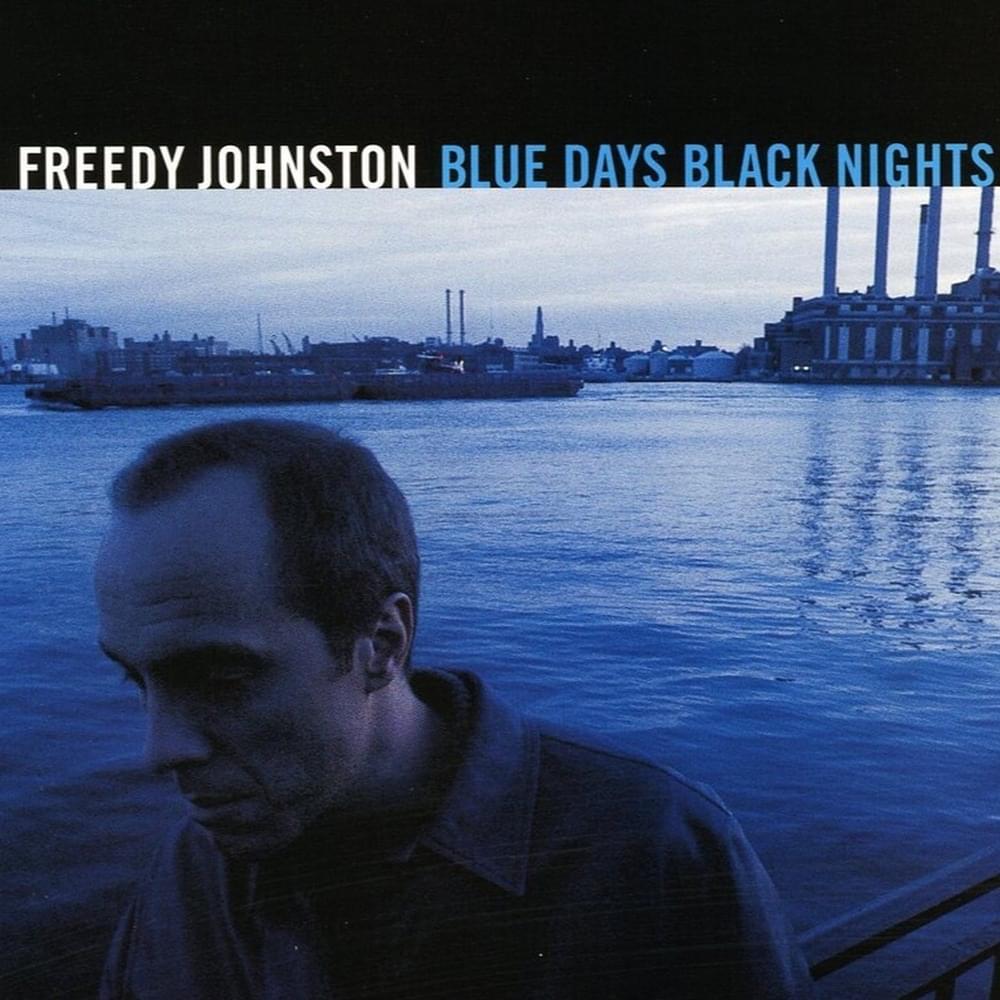
 View Artist