Song Meaning
Freedy Johnston's "Can't Sink This Town" paints a vivid, almost cinematic portrait of desperation and the peculiar resilience found in broken places. The song's meaning isn't a straightforward narrative, but rather a collage of images and emotions centered around a central, defiant paradox. The "barefoot whore" by the "famous clock" evokes a sense of timeless decay, a place where societal norms are eroded, and survival hinges on a delicate balance of hope and resignation. The 'town' itself becomes a metaphor for a damaged relationship, a personal hell that the speaker simultaneously wants to escape and protect. This is not some idealized heartland, but a purgatory of sorts.
The chorus, "Can't sink this town / Pull the gates and bring it down / I'd gladly drown and let you leave me lonely," is the heart of the song's meaning. It's a statement of stubborn defiance masked as self-destruction. The speaker is willing to sacrifice himself to preserve something, even if that something is a toxic environment. The repetition of “I thought you said you were lonely” hints at a desperate attempt to connect with another lost soul, to find solace in shared misery. This phrase also underscores the core theme of miscommunication and unmet expectations that permeates the song.
Ultimately, "Can't Sink This Town" is a complex exploration of codependency and the human tendency to cling to the familiar, even when it's destructive. The lyrics analysis reveals a speaker trapped between a desire for connection and the inevitability of loneliness. The song doesn't offer easy answers or resolutions; instead, it lingers in the ambiguity of human relationships, forcing us to confront the uncomfortable truths about love, loss, and the enduring power of self-deception. Freedy Johnston, with his signature understated delivery, transforms personal wreckage into something strangely beautiful and enduring.
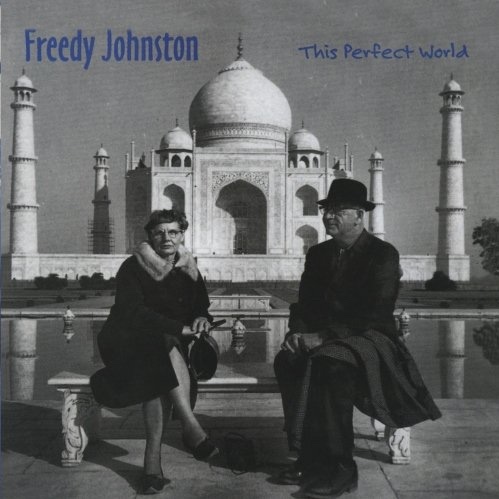
 View Artist