Song Meaning
Freedy Johnston's "Broken Mirror" isn't just about shattered reflections; it's a brutal self-assessment viewed through the fractured lens of damaged trust. The central image, of course, is the broken mirror itself, serving as both judge and jury. The lyrics suggest a relationship, perhaps romantic, perhaps internal, where truth has become distorted. The singer initially dismisses the mirror's (or the other party's) pronouncements ("I wouldn't believe everything you said"), only to confront the painful reality that the reflection now indicts him: "Now what do I see / A broken mirror looking at me / Am I now the one who's incomplete?" This isn't just about being wronged; it's about the dawning recognition of personal culpability.
The chorus reinforces this theme. The mirror "did not lie / You told me what's wrong / And you told me why." Honesty, even when fragmented and painful ("Your pieces are true / Sharp and blind"), is ultimately preferable to comfortable delusion. The "unseen side" hints at the parts of ourselves we actively avoid confronting, the flaws we keep hidden even from ourselves. The repeated lines about not believing what was said reveal a deep-seated defensiveness, a refusal to accept accountability that ultimately leads to the shattering of the image, and the painful confrontation with the truth.
The bridge, "Well, every night, every day / I came to you to see what you'd say / And now look what I've done / It's the hour and the lack of oxygen," is particularly evocative. It speaks to a kind of obsessive dependence on external validation, a constant seeking of reflection in another's eyes. The "lack of oxygen" suggests a suffocating atmosphere of emotional dependency, where the singer's own sense of self has become depleted. Ultimately, "Broken Mirror" explores the complex interplay between perception, truth, and the often-painful process of self-discovery. It's a song about the moment when the comfortable lies we tell ourselves shatter, leaving us face-to-face with the fragmented reality of who we truly are.
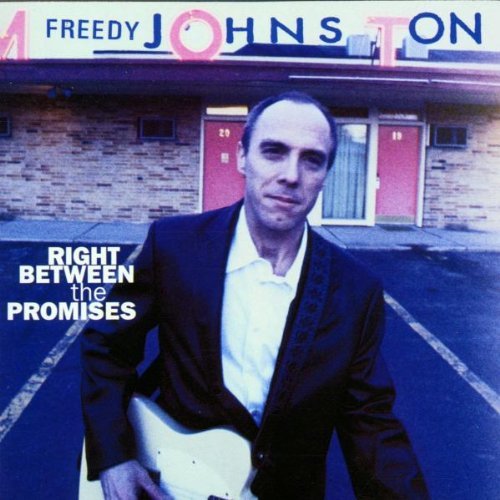
 View Artist