Song Meaning
Freedy Johnston's "Across the Avenue" isn't a grand opera of grief, but a quiet, persistent ache. The song meaning resides in the everyday echoes of loss. It's about the ghost limb sensation of seeing someone who's gone in every crowd, a trick of the light playing on the surviving partner's memory. The lyrics sketch a portrait of someone caught in a loop of remembrance, playing a favorite song, wearing a favorite shirt – tactile rituals that momentarily bridge the gap between presence and absence. The 'dark glasses' suggest a barrier, a way to see the world filtered through the departed's perspective, perhaps shielding the singer from the full glare of reality.
The avenue itself functions as both a physical and metaphorical divide. It's the space where the loved one was 'lost,' a kind of no-man's-land marking the boundary between then and now. The repeated line, 'I always think I see you / Across the avenue,' speaks to the persistent hallucination of grief, the mind's desperate attempt to rewrite reality. This isn't necessarily about romantic love; it could be any profound connection severed by death or permanent separation. The 'lottery lines' image introduces a subtle element of chance and longing, a hint that maybe, just maybe, luck could somehow restore what's been lost.
The most unsettling lines are arguably, 'You just walked away / We'll need tonight, OK? / Going against the light / Run down in front of me.' These suggest a sudden, perhaps even reckless departure, a disregard for safety that borders on self-destruction. It hints at unresolved conflict and a lingering question of responsibility. Is the singer blaming themselves, or the departed? The chorus's repeated desire to 'meet you / On the other side' carries a weight of finality, suggesting a longing for reunion that transcends the earthly realm. "Across the Avenue" is less a lament and more a haunting – a portrait of grief as a daily, almost mundane, reality.
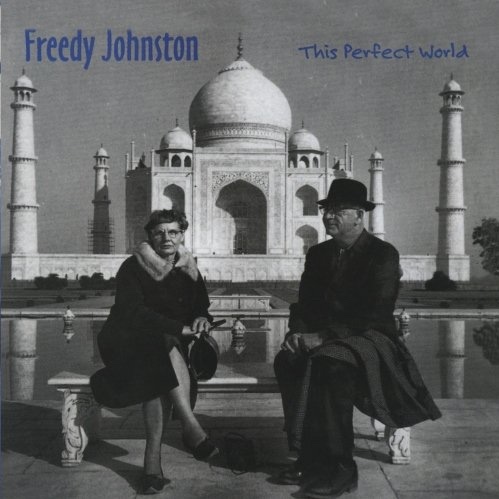
 View Artist