Song Meaning
The lyrics paint a stark picture of a child ripped from a familiar embrace and thrust into the brutal reality of being a child soldier. The opening lines, "Par une belle nuit étoilée / Ils sont venus me chercher / M'arrachant de force à tes bras," immediately establish a violent disruption of innocence, replacing a peaceful night with forced recruitment. The narrator's world shrinks to the immediate, brutal tools of war: "Des balles et un vieux fusil / Avec ordre d'en prendre soin," highlighting how their value is reduced to that of a weapon, "Ma vie valait bien moins que lui."
The core of the song lies in the inescapable trauma and the loss of self that defines this existence. The narrator confesses to committing "Des horreurs j'en ai commises / Pléthore de mauvaises actions," yet frames these acts as a consequence of their environment, where "autour de moi des ennemis / Partisans de la loi du Talion." The pervasive "peur de moi" that grips others suggests a chilling transformation, where the child's innocence is irrevocably lost, leaving behind a figure defined by fear and violence.
The most striking aspect of the writing is the stark contrast between the brutal present and the yearning for a lost past or a hopeful future. The narrator's soul is described as something that cannot be "étoffe" (made into fabric), suggesting an inability to be shaped into something useful or whole again within this context. The ambition to simply "Voir l'aube de ses quinze ans" underscores the precariousness of survival. The final wish for their tombstone, "Ci-gît l'innocence retrouvée," is a poignant, almost ironic, plea for redemption that can only be realized in death, a final acknowledgment of what was stolen.
This narrative's power stems from its unflinching portrayal of stolen childhood and the psychological toll it takes. The repetition of the refrain, "Enfance sold-out / Enfant soldat aie aie aie," acts as a mournful lament, emphasizing the commodification and destruction of youth. The lyrics effectively convey the narrator's internal conflict: the memory of a tender past clashing with the violent present, and the desperate, almost impossible, hope for a return to innocence that can only be found in an imagined afterlife.
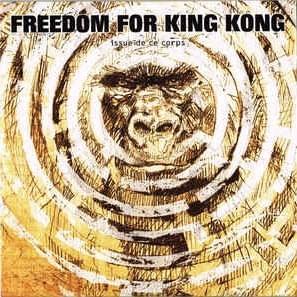
 View Artist