Song Meaning
The lyrics paint a stark picture of emotional darkness, using the recurring phrase "Broad daylight" as a desperate plea or a distant hope. The narrator finds themselves in a room filled with "smoke" and "gloom," a palpable representation of their internal state. This oppressive atmosphere is contrasted with a longing for the clarity and openness that daylight supposedly brings, a stark wish for relief from the present shadows.
The central tension lies in the inversion of natural cycles. While the "moon just said" it's time for sleep and tears, the narrator is trapped in a waking nightmare, unable to find solace even in rest. The question of whether "tears all disappear" in the "broad daylight" highlights a profound doubt about whether external brightness can truly alleviate internal pain.
The most striking element is the relentless repetition of "Broad daylight," transforming it from a simple time of day into an almost incantatory mantra. This insistence suggests a desperate yearning for a state of being that feels unattainable, a stark contrast to the immediate reality of the "smoke fills my room." The final lines, "Let me feel the morning / When the sun is downing," further twist this, implying a desire for the *end* of the day, perhaps signaling a wish for oblivion or a different kind of peace.
These lyrics resonate because they capture the feeling of being stuck in a difficult emotional space, where even the natural world's cues for rest and renewal feel alien. The writing effectively uses the simple imagery of light and dark, smoke and clear air, to convey a deep sense of internal struggle and the elusive nature of true relief.
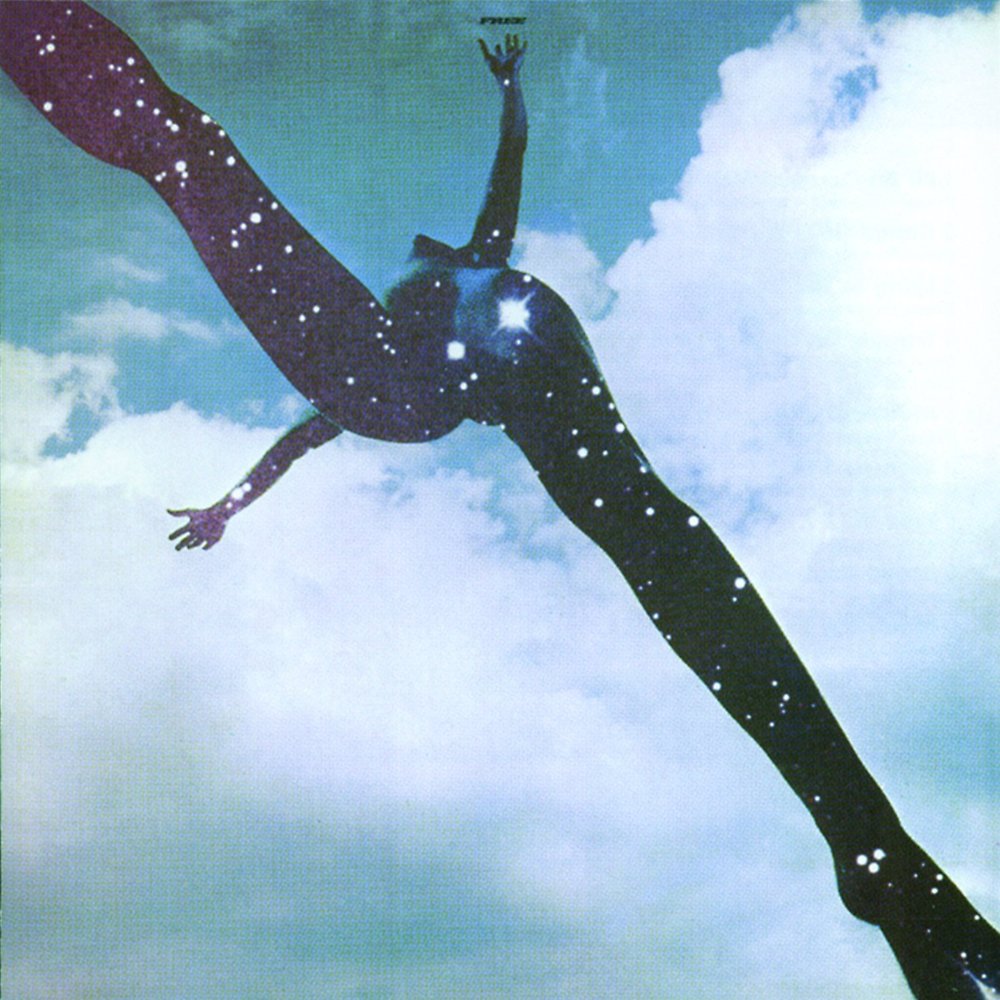
 View Artist