Song Meaning
The lyrics immediately plunge into a turbulent internal world, where "Anger eat me up" and jealousy consume the speaker. There's a stark tension between a desire for kindness and a darker impulse to hurt, even "breaking them easily." The opening lines establish a narrator wrestling with their own destructive potential.
A core conflict emerges between the speaker's outward presentation and their inner turmoil. The line "Killing in my kindness" powerfully illustrates this duality, suggesting a passive-aggressive streak or a destructive impact hidden beneath a veneer of niceness. This internal battle is further complicated by the shifting self-perception, moving from a desire to escape oneself to a later, more defiant self-acceptance.
The central metaphor of the cakes brilliantly captures this struggle for identity. Initially, the speaker imagines themselves as "Angel's Food" – a self perceived as sweet, soft, and light. However, the narrative shifts dramatically, embracing a darker, more complex identity: "If I was a cake I'd be Devil's Food," described as dark, dim, and hard. This contrast isn't just about perceived good versus evil; it's about accepting a multifaceted self that includes both sweetness and a challenging, perhaps even dangerous, edge.
The effectiveness lies in this unflinching portrayal of internal contradiction. The lyrics don't resolve the tension but rather embody it, showing a speaker who acknowledges their capacity for both vulnerability and aggression. The narrator appears to embrace a volatile energy, perhaps even "Playing kerosene," before the abrupt, almost tender closing lines, "Love my sister, love my sister / Oh brother," offer a surprising, grounding counterpoint, suggesting that even amidst such intense self-reckoning, fundamental human connections persist.
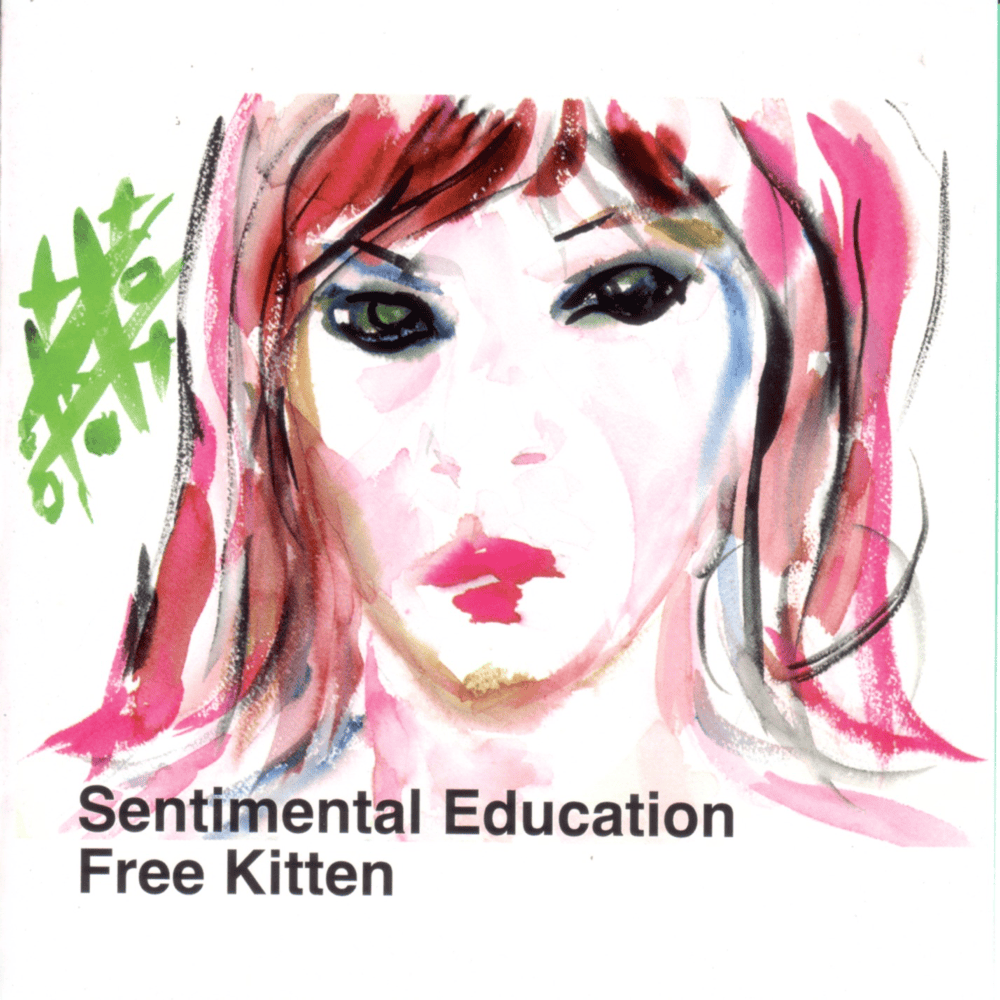
 View Artist