Song Meaning
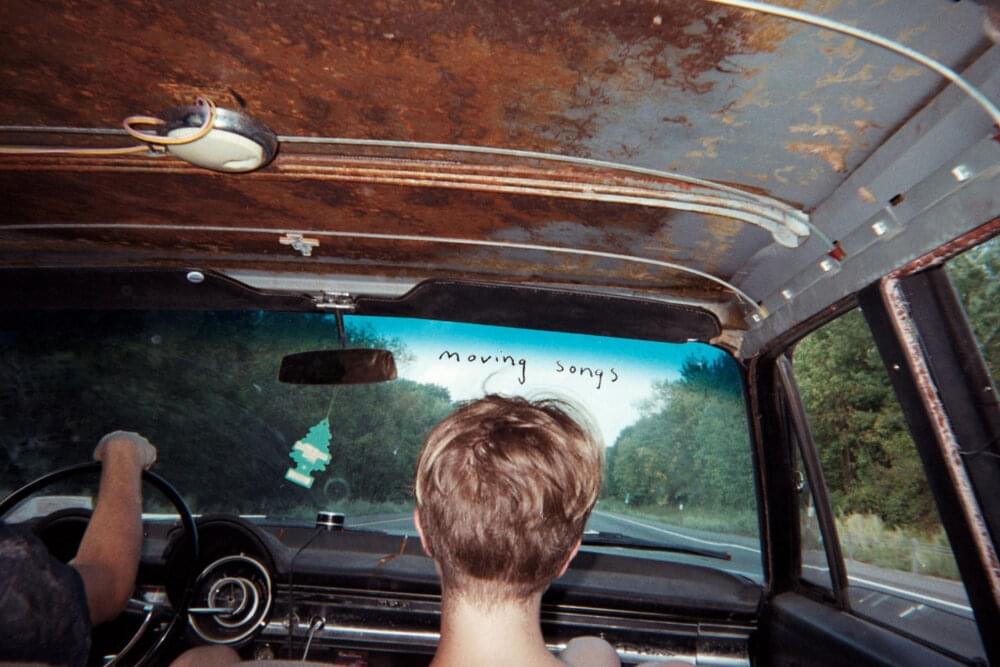
The lyrics paint a picture of someone caught in the mundane, a stark contrast to past aspirations. The opening lines, "I try to think about / All I ever wanted," immediately set a tone of wistful reflection, juxtaposed with the immediate reality of being "In their backseat / Driving home from Brooklyn." This isn't a grand adventure; it's a return to a life that feels imposed, a "routine / I didn't create." The narrator grapples with a sense of lost direction, trying to suppress worries about their "life's trajectory."
The core tension emerges from the struggle between a desire for something more and the overwhelming inertia of daily life, particularly as it relates to a significant other. The narrator finds solace in fleeting moments, like recognizing a familiar face at a show and filing away a smile, a small act of preservation against the relentless march of time. This is the essence of the "day to day" refrain – a coping mechanism, a way to endure by focusing on tiny, tangible details rather than the larger, perhaps unfulfilled, dreams.
The craft here lies in the subtle emotional shifts and the evocative, almost abstract, imagery. The phrase "grasping through the wall" powerfully conveys a sense of futility and isolation, a desperate attempt to connect or break free from an unseen barrier. The repeated "day to day" acts as both a mantra and a lament, highlighting the cyclical nature of existence and the potential for relationships to fade into the background. The abrupt question, "Where's my birthday cake?" lands with a poignant, almost childlike, disappointment, underscoring the feeling of being overlooked or forgotten amidst the routine.
Ultimately, these lyrics resonate because they capture that universal feeling of being swept along by life's current, where grand ambitions can get buried under the weight of everyday obligations. The narrator's attempt to hold onto small moments of connection and beauty, like a "smilin' slightly" face, is a quiet act of defiance against the erosion of time and distance. The writing effectively uses the mundane setting to amplify the internal struggle, making the desire for something more feel both deeply personal and broadly understood.
 View Artist