Song Meaning
The narrator walks down Kolmatta linjaa, a street that seems to represent a path of reckoning and repayment. There's a clear sense of financial obligation being met, paying off debts and settling scores, even down to small amounts like a coin for a bouncer. This initial scene paints a picture of someone meticulously balancing their books, both literally and figuratively, ensuring every past due item is accounted for. It’s a methodical, almost ritualistic, return to settle accounts.
The core tension emerges as the narrator realizes that while financial debts and past grievances can be addressed, a crucial element remains irretrievable. The repeated phrase "Kolmatta linjaa takaisin kuljen" (I walk back down Kolmatta linjaa) underscores this journey of return, but the second verse introduces a profound contrast. The ability to pay off debts and even buy warmth is juxtaposed with the unpurchasable nature of lost youth. This creates a poignant emotional conflict: the satisfaction of settling scores is overshadowed by the irreversible loss of time.
The lyrics masterfully use the act of walking a specific street as a metaphor for confronting the past. The narrator can "buy warmth" and "avenge mean blows," suggesting a present power or capability to rectify wrongs. However, the stark, repeated declaration "ostaa en voi nuoruuttain" (I cannot buy my youth) acts as the devastating punchline. This highlights a fundamental limitation, a poignant reminder that some things, once gone, are permanently out of reach, no matter the present means.
This contrast between what can be settled and what is irrevocably lost is what gives the lyrics their emotional weight. The narrator’s journey down Kolmatta linjaa becomes a powerful illustration of the bittersweet nature of looking back. While there’s a sense of closure in settling old debts, the ultimate realization is that the most precious commodity—youth—cannot be reclaimed, leaving a lingering melancholy that resonates deeply.
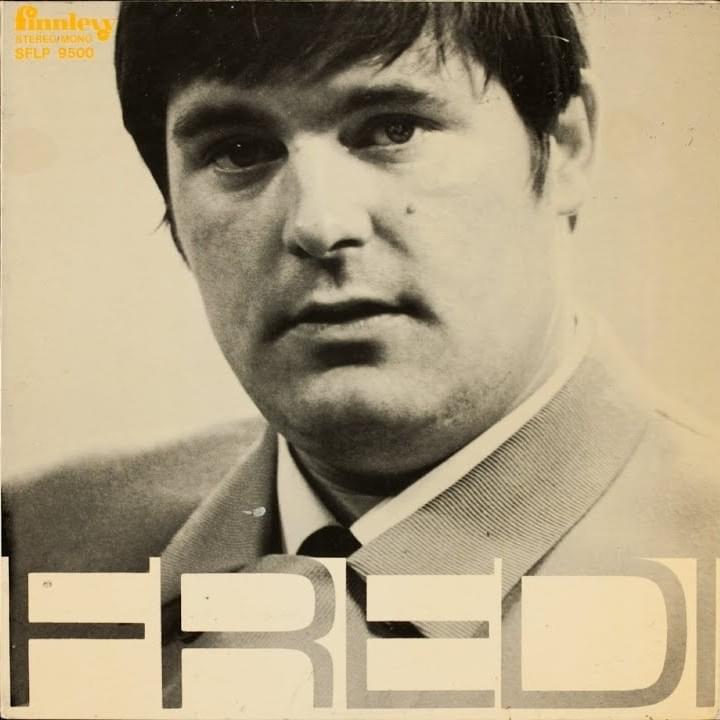
 View Artist