Mazurka in D major (Op. 33, No. 2)
Song Meaning
This piece, a Mazurka in D major, Op. 33, No. 2, is presented as purely instrumental. The absence of lyrics means the emotional landscape and narrative must be inferred solely through the musical structure and its inherent qualities. Therefore, any interpretation is speculative, relying on the general characteristics associated with the Mazurka form and the composer's style, rather than explicit textual cues. The Mazurka, a Polish folk dance, typically carries a sense of elegance, often with moments of melancholy or wistfulness woven into its typically lively triple meter. The designation in D major suggests a generally bright or clear tonal center, but the specific character of this piece would depend heavily on the melodic contours, harmonic progressions, and rhythmic nuances employed by the composer. Without lyrics, the listener is invited to project their own feelings and experiences onto the sound. The effectiveness of instrumental music lies in its ability to evoke moods and imagery directly, bypassing the specificity of language. The composer's craft here would be in how they manipulate tempo, dynamics, and melodic phrasing to create a compelling emotional arc. The listener might perceive a story unfolding through the rise and fall of melodies, the tension and release of harmonies, or the interplay of different musical lines. Ultimately, the meaning of this Mazurka is found in the listener's personal engagement with the music. It offers a space for reflection, perhaps conjuring memories or feelings associated with dance, celebration, or introspection, all filtered through the unique sonic tapestry woven by the composer. The absence of words grants it a universal potential for emotional resonance, allowing each listener to find their own narrative within its D major framework.
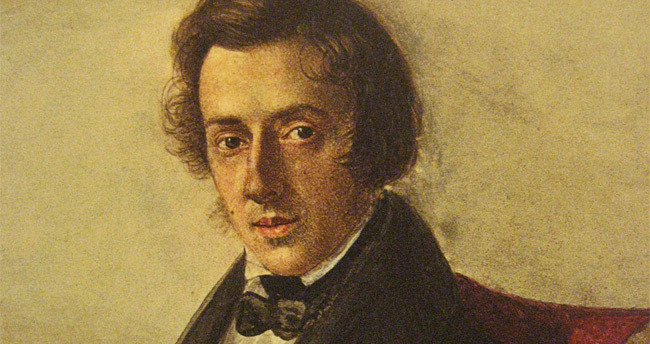
 View Artist
Lyrics
[Instrumental]
Rate this song
0/5.0 - 0 Ratings
Loading comments...
Credits
- Writers
- Frédéric Chopin