Song Meaning
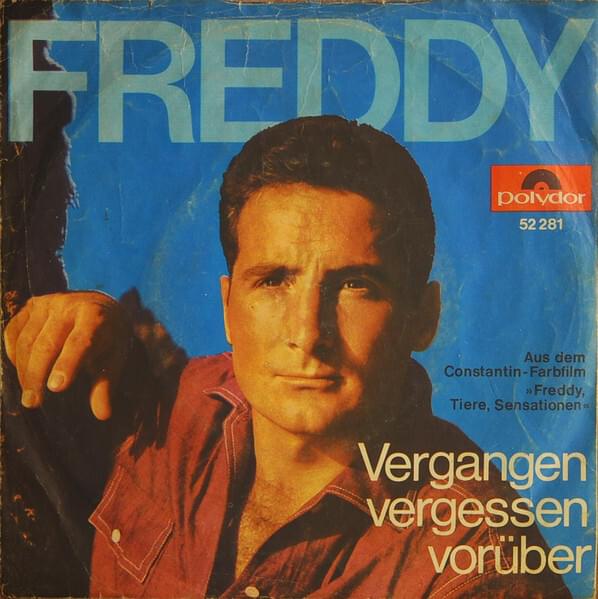
The lyrics paint a stark picture of ephemerality and the relentless march of time. The repeated refrain, "Vergangen, vergessen, vorüber" (Past, forgotten, over) and "Vergangen, vergessen, vorbei" (Past, forgotten, gone), immediately establishes a tone of resignation. It's a somber acknowledgment that moments, people, and even significant events fade into obscurity, covered by the "mantel" (cloak) of time. This isn't a lament, but a statement of fact.
The verses introduce a sense of profound uncertainty about destiny and the future. Questions like "Wer kann wissen, wo wir einmal landen?" (Who can know where we will land?) and "Wer kann wissen, ob wir einmal stranden?" (Who can know if we will one day be stranded?) highlight a feeling of being adrift. The narrator observes that life often feels like "immer ist es nur das gleiche Lied" (it's always just the same song), suggesting a cyclical, perhaps inescapable, pattern of experience and eventual disappearance.
The imagery in the second verse shifts to the vast, indifferent sea, a powerful metaphor for life's perils and the anonymity of loss. "Nicht ein Kreuz steht auf den weiten Meeren" (Not a cross stands on the wide seas) emphasizes the lack of markers or memorials for those lost at sea, where ships "im Sturm zerschellt" (shatter in the storm). The absence of even "ein Wort und nirgendwo ein Name" (a word and nowhere a name) underscores the ultimate erasure of individuals and their struggles, framing it as "Seemannslos auf dieser Welt" (sailor's fate in this world).
What makes these lyrics resonate is their unflinching gaze at oblivion. The craft lies in the stark, declarative statements and the powerful, simple metaphors of the cloak of time and the unmarked sea. There's no struggle against this fate, only a quiet, profound recognition of it. The repetition of the core phrases hammers home the inevitability of being forgotten, creating a mood that is both melancholic and strangely peaceful in its acceptance.
 View Artist